
Shetland Cod
Premium Cod from the Waters Around Shetland
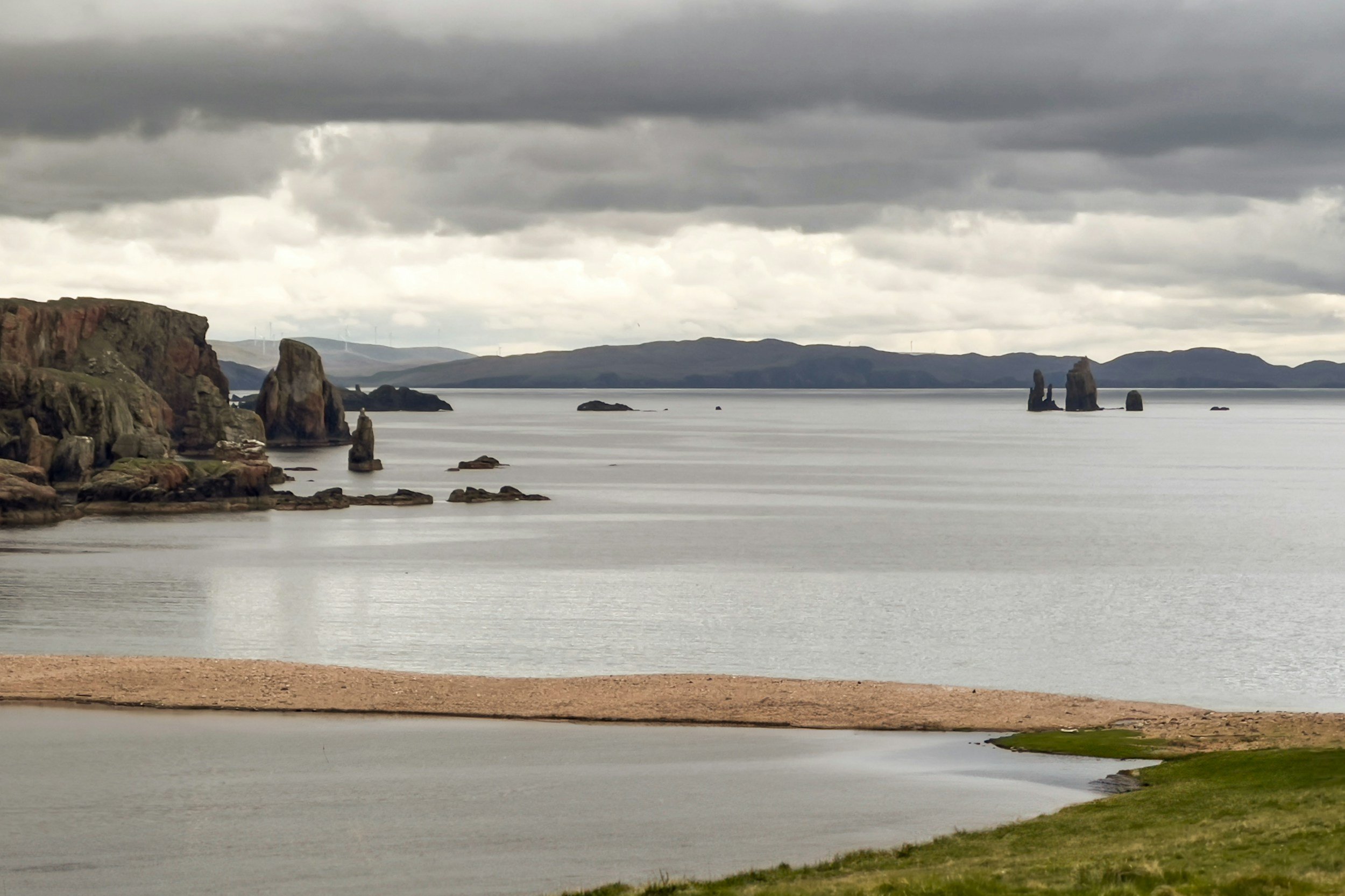
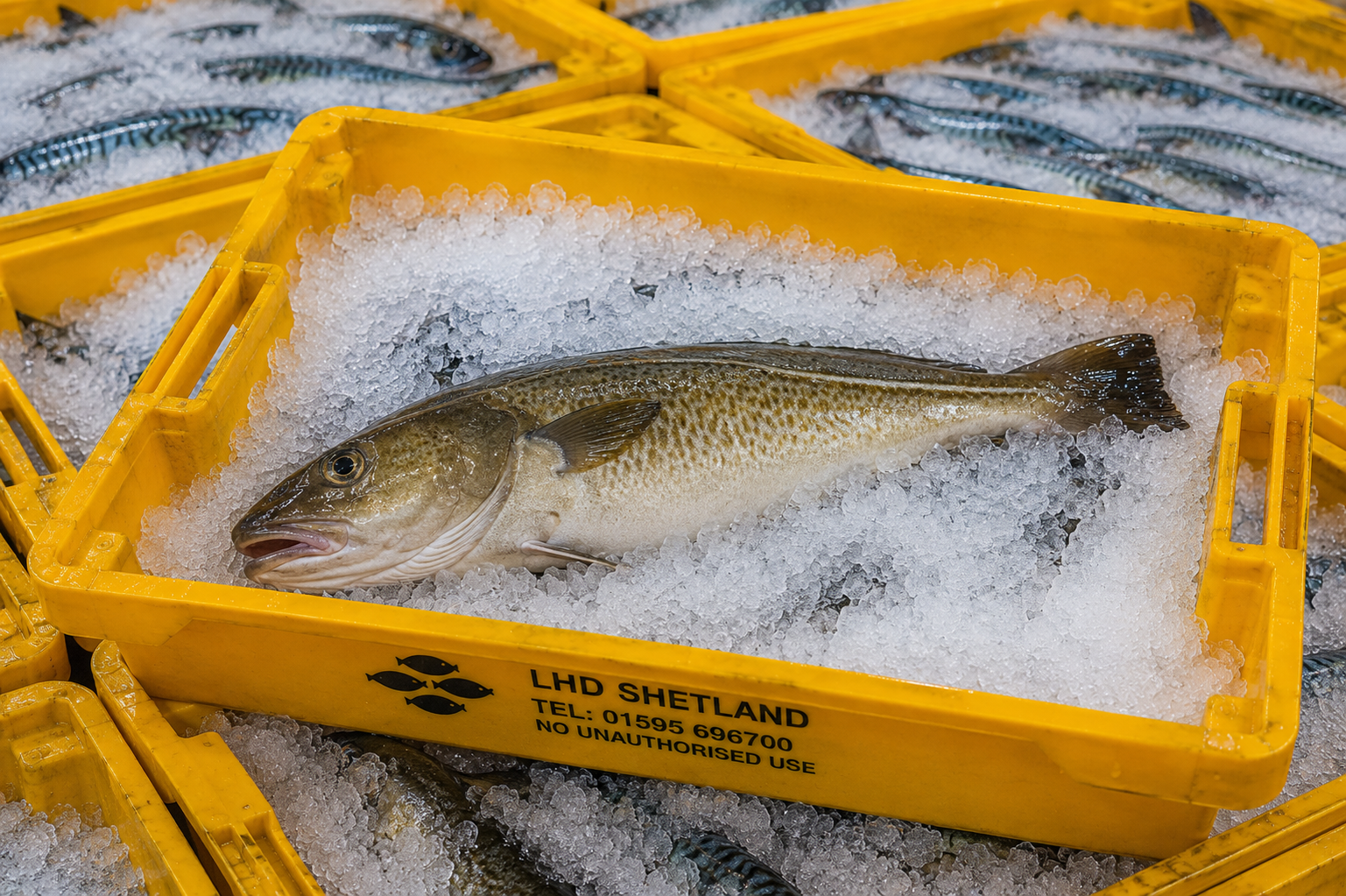
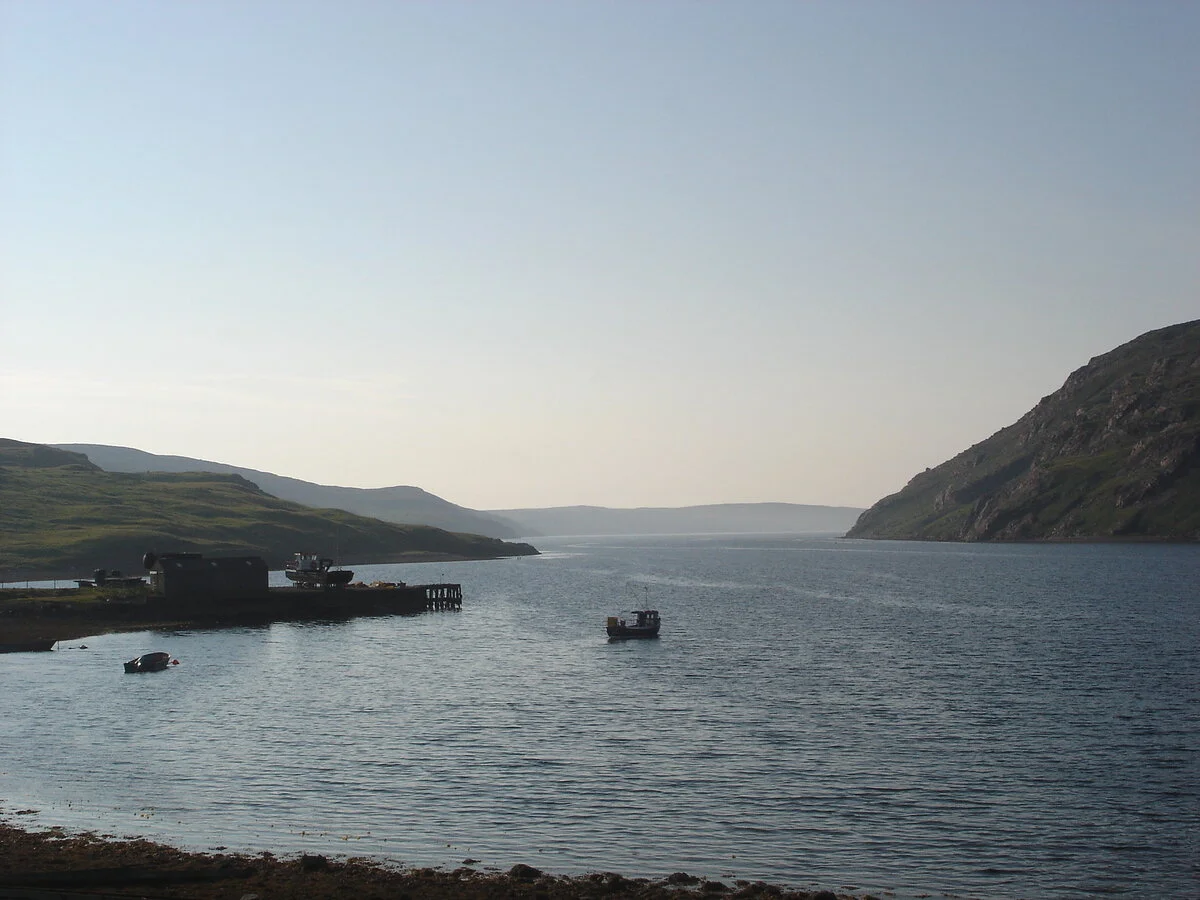
Shetland lies at the heart of some of Europe's richest and most pristine fishing grounds. The cold, clear waters surrounding the islands produce exceptional quality cod, prized by chefs, fishmongers and seafood buyers throughout the UK and beyond.
Remarkably, almost half of all fish landed in the UK is caught within 100 nautical miles of Shetland, highlighting the importance of these productive fishing grounds.
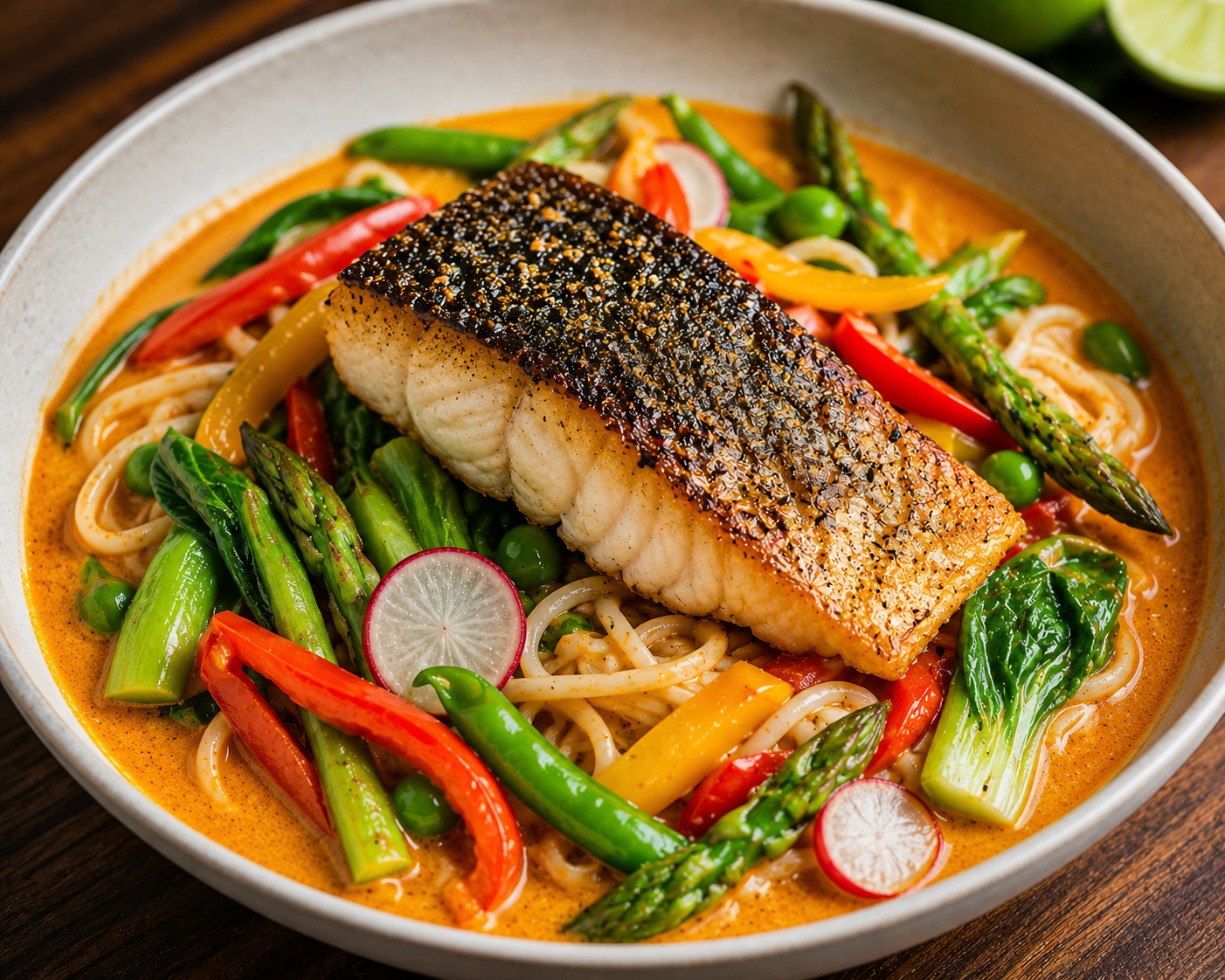
Recipe idea
Why Choose Shetland Cod?
Premium quality white fish with firm, flaky flesh and a mild flavour
Caught in the clean, cold waters around Shetland
Highly versatile and suitable for frying, baking, poaching, steaming and grilling
Naturally high in protein and low in fat
A trusted choice for restaurants, fishmongers and discerning consumers
Nutritional Benefits
Cod is an excellent source of high quality lean protein while being naturally low in calories and fat.
A typical serving of cod provides:
✓ High quality protein
✓ Vitamin B12
✓ Vitamin B6
✓ Niacin
✓ Phosphorus
✓ Selenium
✓ Very low levels of fat
✓ Naturally low mercury levels compared with many larger predatory fish
These qualities make cod an excellent choice as part of a healthy, balanced diet.
Sustainability
Cod stocks have recovered significantly since the mid 2000s and are now abundant in the North Sea. Cod remains one of the most important commercial species landed by the Shetland whitefish fleet.
Responsible fisheries management and sustainable harvesting practices help ensure the long term future of this valuable species.
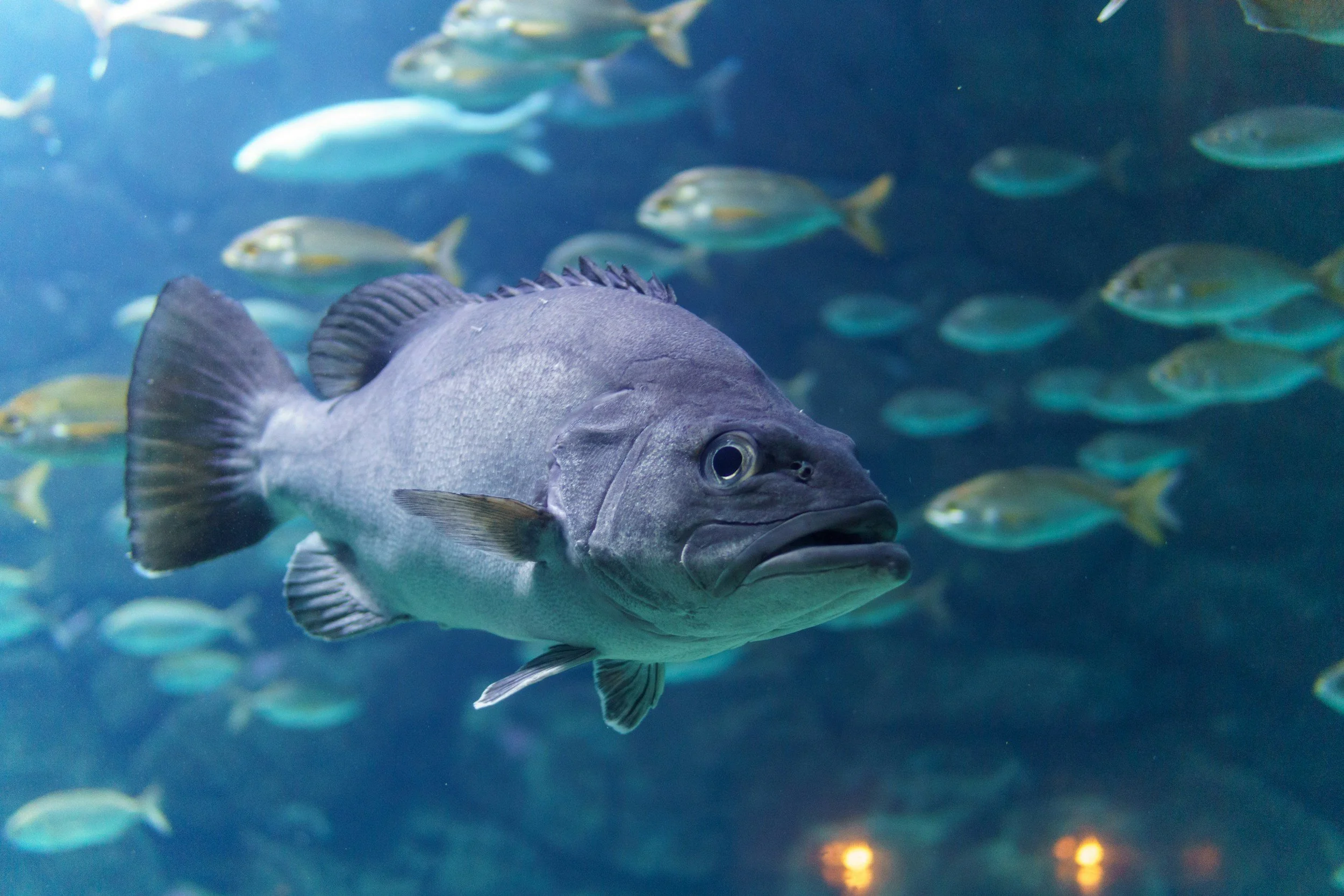
Species Facts
#1
Scientific Name
Gadus morhua (Atlantic Cod)
#2
Shetland Name
Kielin (also Kabbilow)
#3
Maximum Length
Up to 1.5 metres
#4
Diet
Sand eels, whiting, haddock, shellfish and other small fish
#5
Lifespan
They can live for many years in the wild
#6
Colour
Two distinct colour forms are commonly seen, grey green and reddish brown
From Sea to Plate
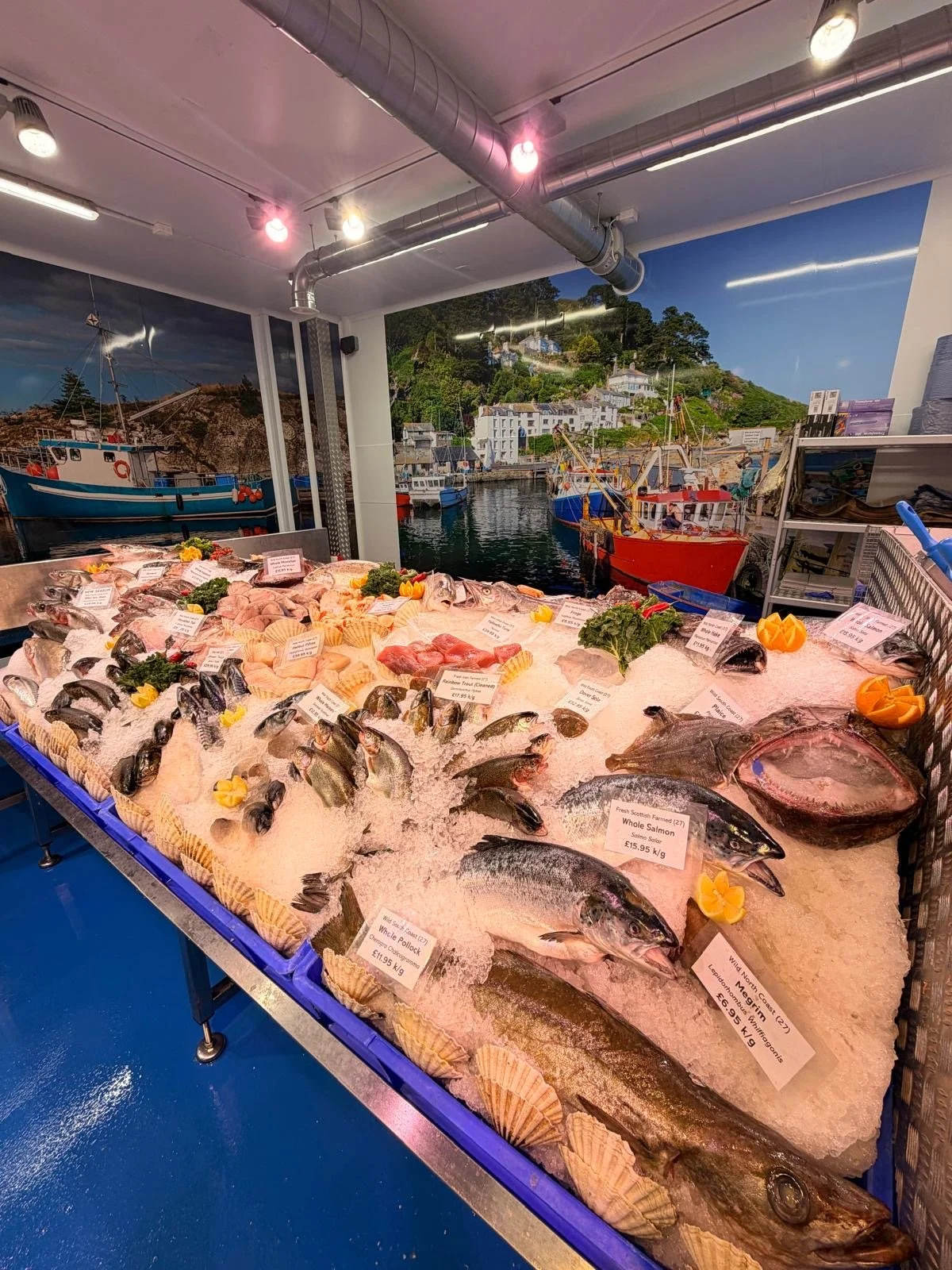
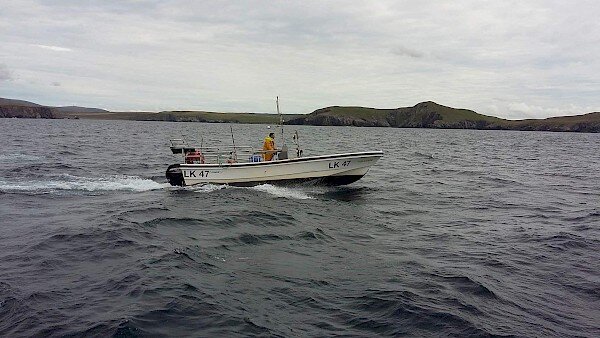
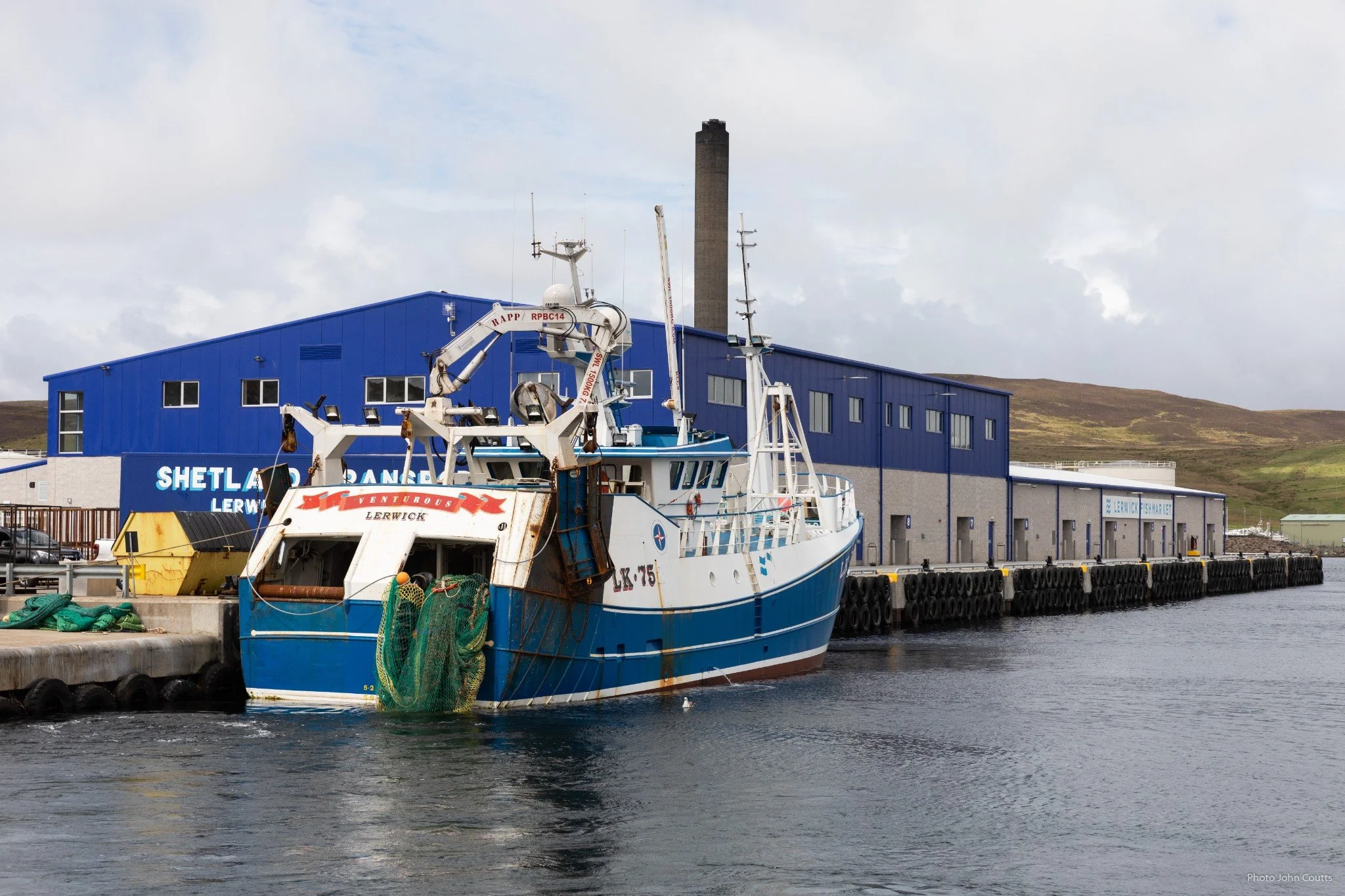
Shetland cod is landed through local ports including Lerwick and Scalloway before entering carefully managed supply chains that deliver premium fresh fish to markets, restaurants and retailers throughout the UK and Europe.
The combination of pristine waters, skilled fishermen and a strong seafood heritage ensures that Shetland cod continues to be recognised as one of the finest whitefish products available.
Did You Know?
Cod can grow to more than 1.5 metres in length.
The best known delicacies from cod include cheeks, tongues and roe, known locally as "raans".
Cod accounts for almost one third of the value of whitefish landed through Shetland's fish markets.

Shetland Haddock
Premium Haddock from the Waters Around Shetland
Shetland lies at the heart of some of Europe’s richest and most productive fishing grounds. The cold, clear waters surrounding the islands provide ideal conditions for haddock, producing fish renowned for their excellent flavour, delicate texture and outstanding quality.
Haddock remains one of Scotland’s most popular fish species and is highly prized by chefs, fishmongers and seafood lovers throughout the UK and Europe.
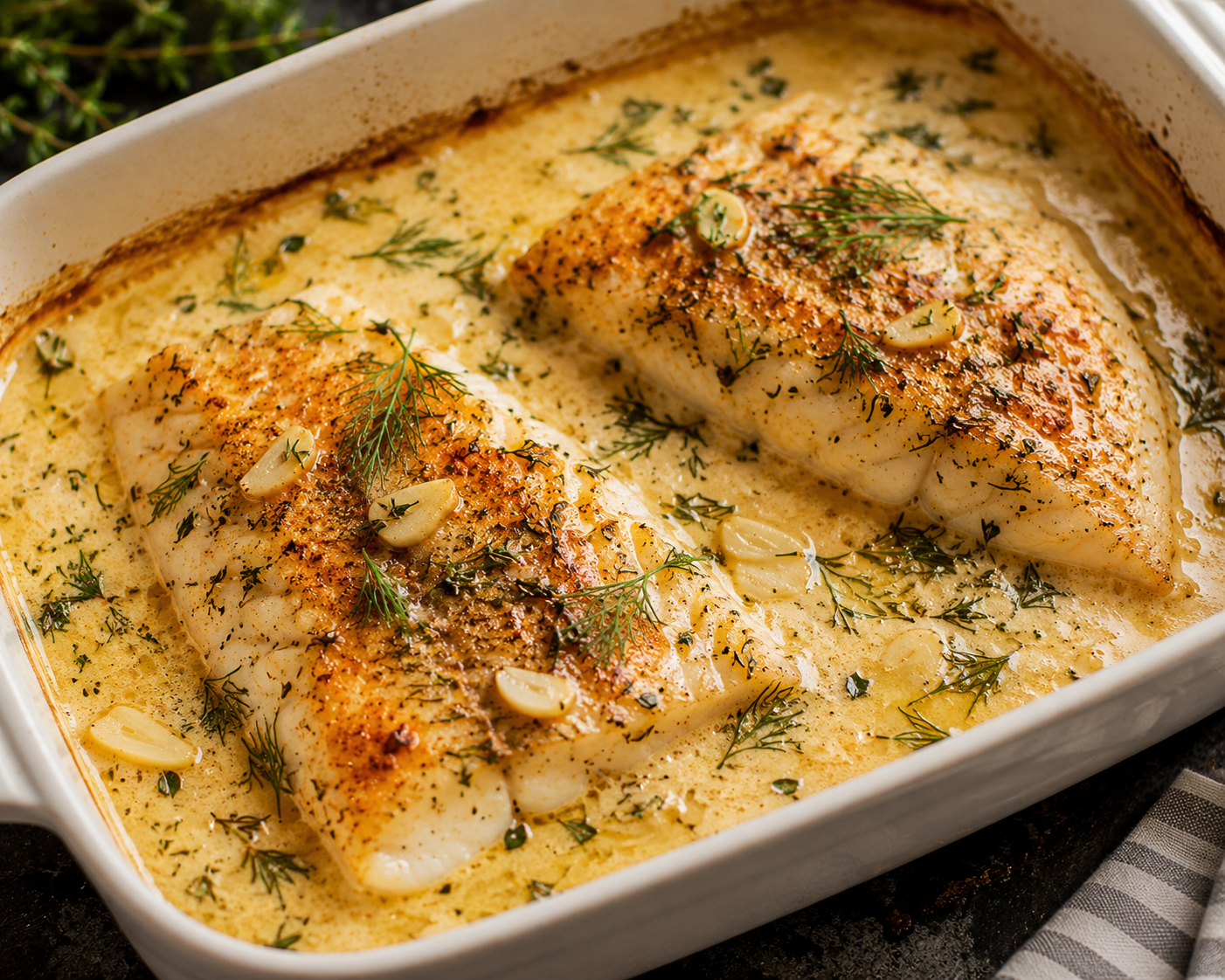
Recipe idea
Why Choose
Shetland Haddock?
Sweet, delicate flavour with a firm, moist texture
Sustainably harvested from the clean waters around Shetland
Ideal for frying, baking, poaching, smoking and grilling
Naturally low in fat and calories
High quality source of protein
Rich in essential vitamins and minerals
Nutritional Benefits
Haddock is a highly nutritious seafood choice that is naturally low in fat and calories while providing excellent levels of protein.
A typical 100g serving provides:
✓ Approximately 90 calories
✓ Around 20g of high quality protein
✓ Less than 1g of fat
✓ Omega 3 fatty acids
✓ Vitamin B12
✓ Vitamin B6
✓ Niacin
✓ Phosphorus
✓ Selenium
✓ Low levels of mercury compared with many larger fish species
Sustainability
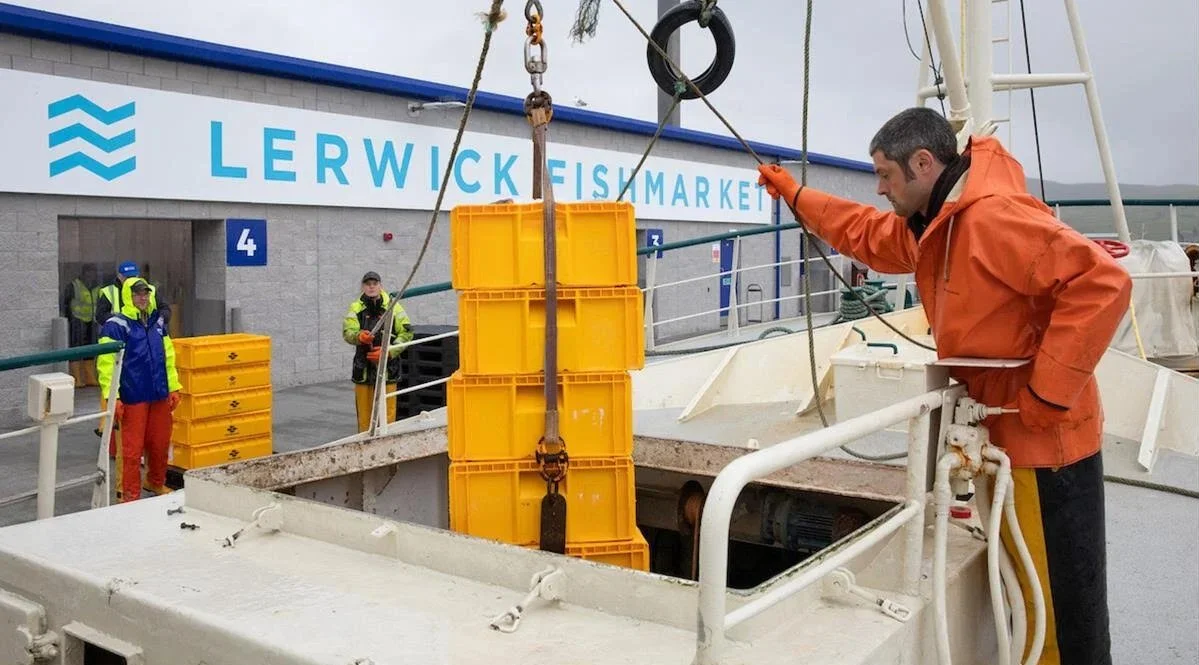
Haddock is an important species for the Shetland whitefish fleet and is landed through the fishing ports of Lerwick and Scalloway.
The species is carefully managed through fisheries regulations and sustainable harvesting practices, helping to ensure healthy stocks for future generations.
Recently, almost 3,000 tonnes of haddock worth approximately £5.7 million were sold through Shetland’s fish markets, demonstrating its continuing importance to the local fishing industry.
Species Facts
#1
Scientific Name
Melanogrammus aeglefinus
#2
Shetland Name
Hysa
#3
Maximum Depth
up to 150 metres deep
#4
Reproduction
Female haddock can produce up to 1.8 million eggs during spawning
#5
Marking
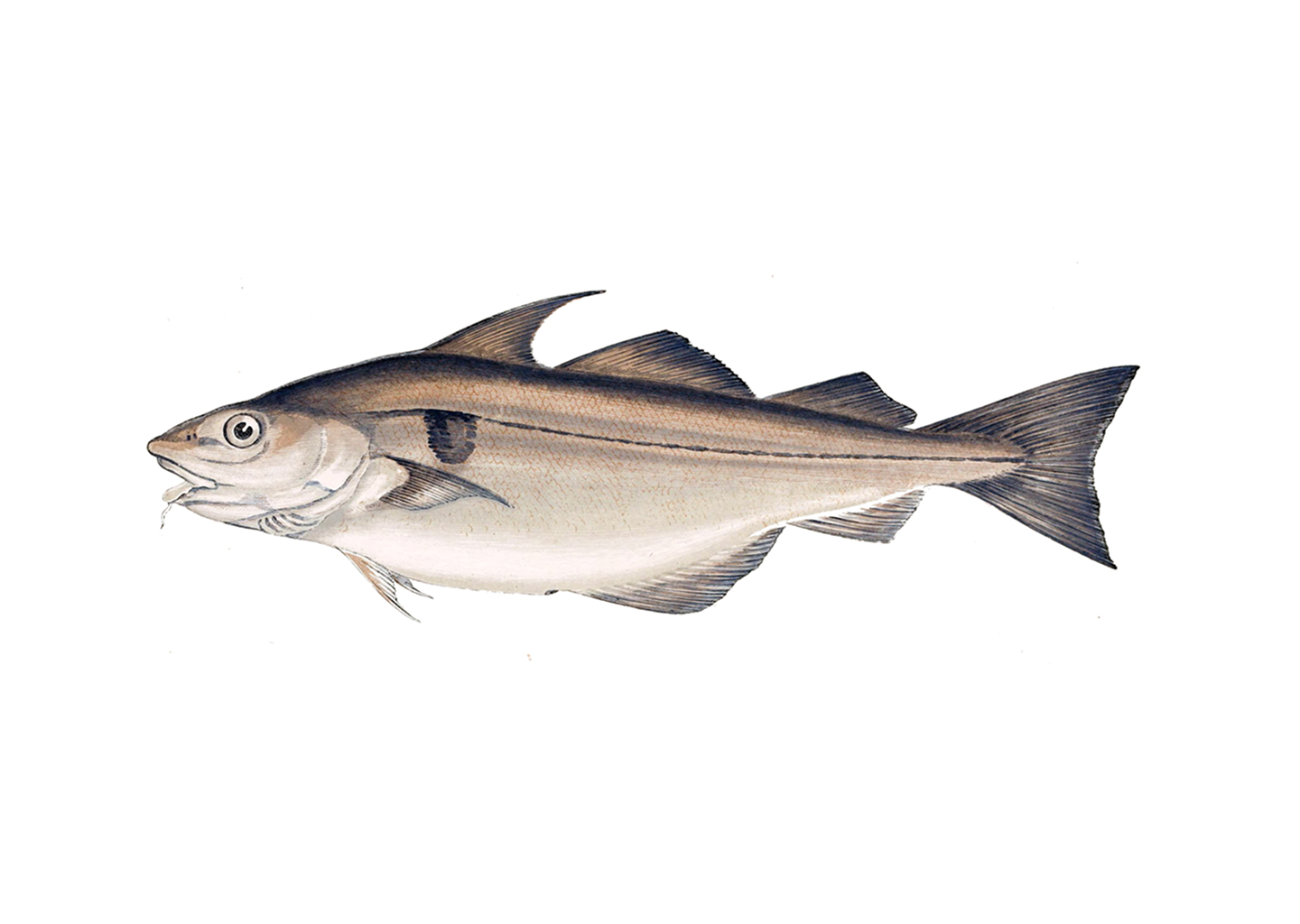
Often referred to as ‘St Peter’s Mark’ or the ‘Devil’s Thumbprint’
#6
Colour
Silvery grey with a distinctive black spot above the pectoral fin
From Sea to Plate
Shetland haddock is landed by local vessels and handled with great care to maintain freshness and quality. Its versatility makes it one of the most popular fish choices for restaurants, fishmongers and home cooks alike.
Whether served traditionally with chips, smoked as finnan haddie, or incorporated into contemporary seafood dishes, Shetland haddock delivers exceptional flavour and quality.
Did You Know?
Haddock is often regarded by many seafood enthusiasts as having a sweeter flavour than cod.
The distinctive black spot behind the gill cover is one of the easiest ways to identify a haddock.
Many people consider haddock liver and roe to be local delicacies.
Haddock is one of the most important species landed by the Shetland whitefish fleet and remains a cornerstone of Scotland's seafood industry.
Shetland Seafood Heritage
The rich fishing grounds surrounding Shetland have supported local communities for generations. Today, Shetland haddock continues to uphold that reputation, offering buyers a premium whitefish sourced from one of the world's finest marine environments.

Shetland Monkfish
Premium Monkfish from the Waters Around Shetland
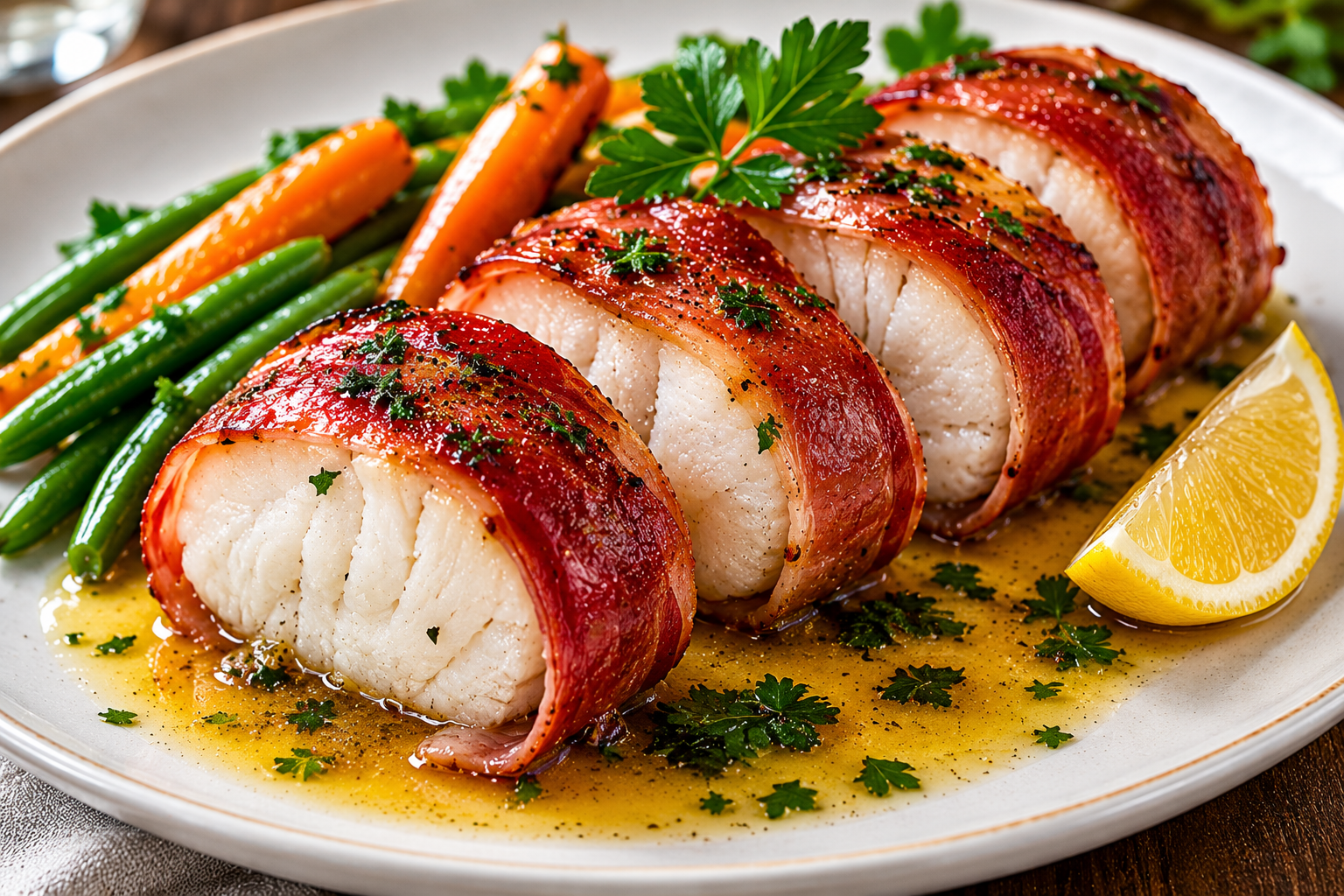
Caught in the cold, clear waters surrounding Shetland, monkfish is one of the most highly prized species landed by the local whitefish fleet. Renowned for its firm texture and sweet, delicate flavour, monkfish has become a favourite among chefs and seafood enthusiasts worldwide.
Often referred to as the "poor man's lobster", monkfish offers exceptional eating quality and versatility, making it one of the most valuable species landed into Shetland's fishing ports.
Recipe idea
Why Choose Shetland Monkfish?
Sweet, delicate flavour with a firm, meaty texture
Often compared to lobster in both texture and eating quality
Premium seafood favoured by leading chefs
Naturally high in protein
Low in fat and calories
Sustainably harvested from Shetland waters
Ideal for roasting, grilling, pan frying, curries and seafood stews
Nutritional Benefits
Monkfish is a nutritious and healthy seafood choice, combining excellent flavour with outstanding nutritional value.
A typical 100g serving provides:
✓ Approximately 76 calories
✓ 14.5g of high quality protein
✓ Only 1.5g of fat
✓ No carbohydrates
✓ Naturally low sodium levels
✓ Selenium
✓ Phosphorus
✓ Vitamin B6
✓ Vitamin B12
Health Benefits
#1
Muscle Growth & Repair
Monkfish is rich in high quality protein containing all the
essential amino acids required
for muscle growth, maintenance and repair.
#2
Bone Health
Phosphorus is essential for maintaining healthy bones and teeth and plays a key role in
energy production throughout
the body.
#3
Brain & Nervous System
Vitamins B6 and B12 contribute
to healthy brain function, red
blood cell formation and normal nervous system health.
#4
Thyroid & Immune Health
Selenium helps protect cells from oxidative damage, supports thyroid function and contributes to a healthy immune system.
#5
Weight Management
With high protein levels and relatively few calories, monkfish can help promote satiety while fitting easily into a healthy, balanced diet.
Species Facts
#1
Scientific Name
Lophius piscatorius
#2
Shetland Name
Maisgoom (also Masgoom,
Great Plukker)
#3
Habitat
Seabed dwelling predator found
from coastal waters to depths approaching 1,000 metres
#4
Appearance
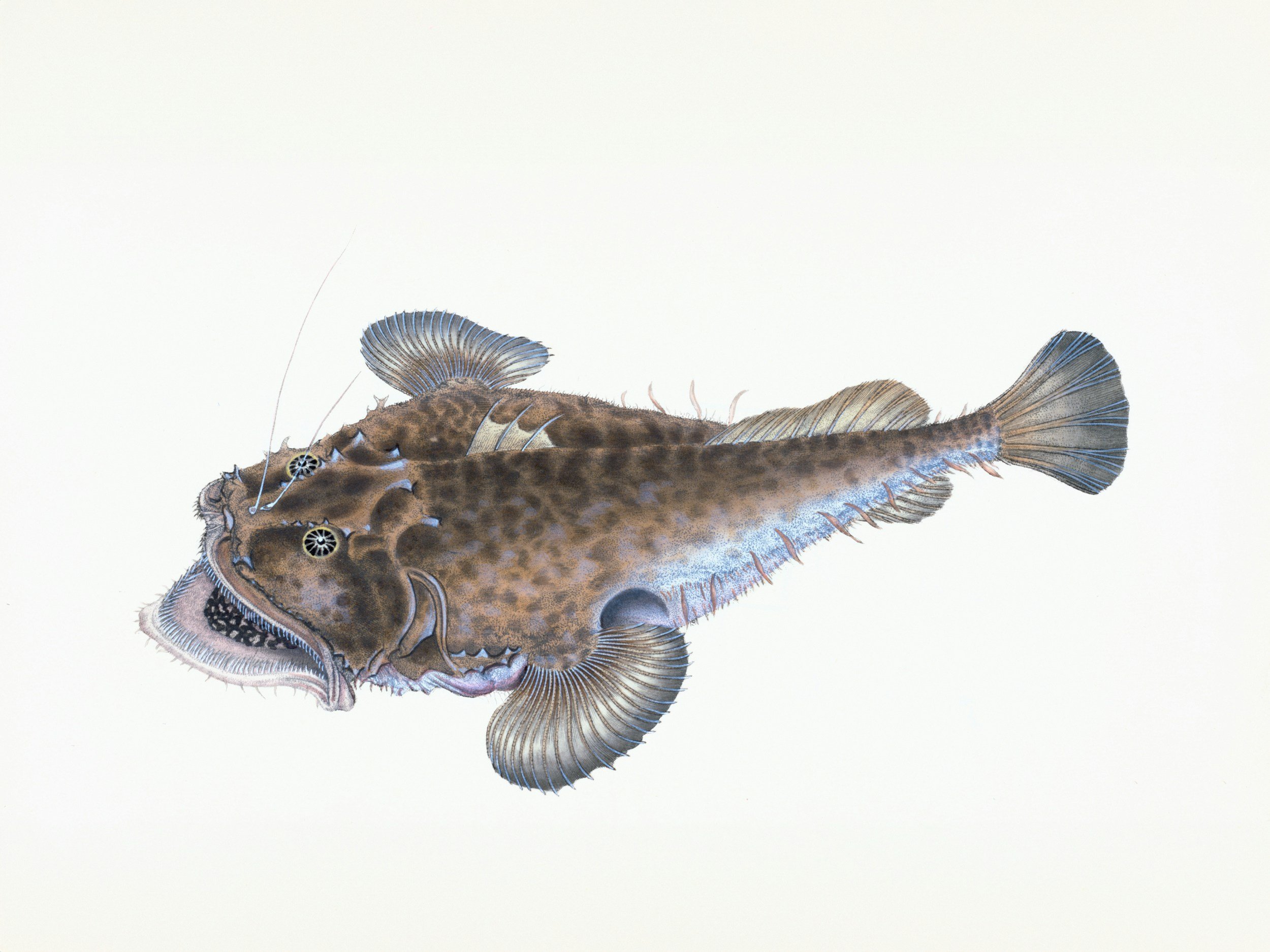
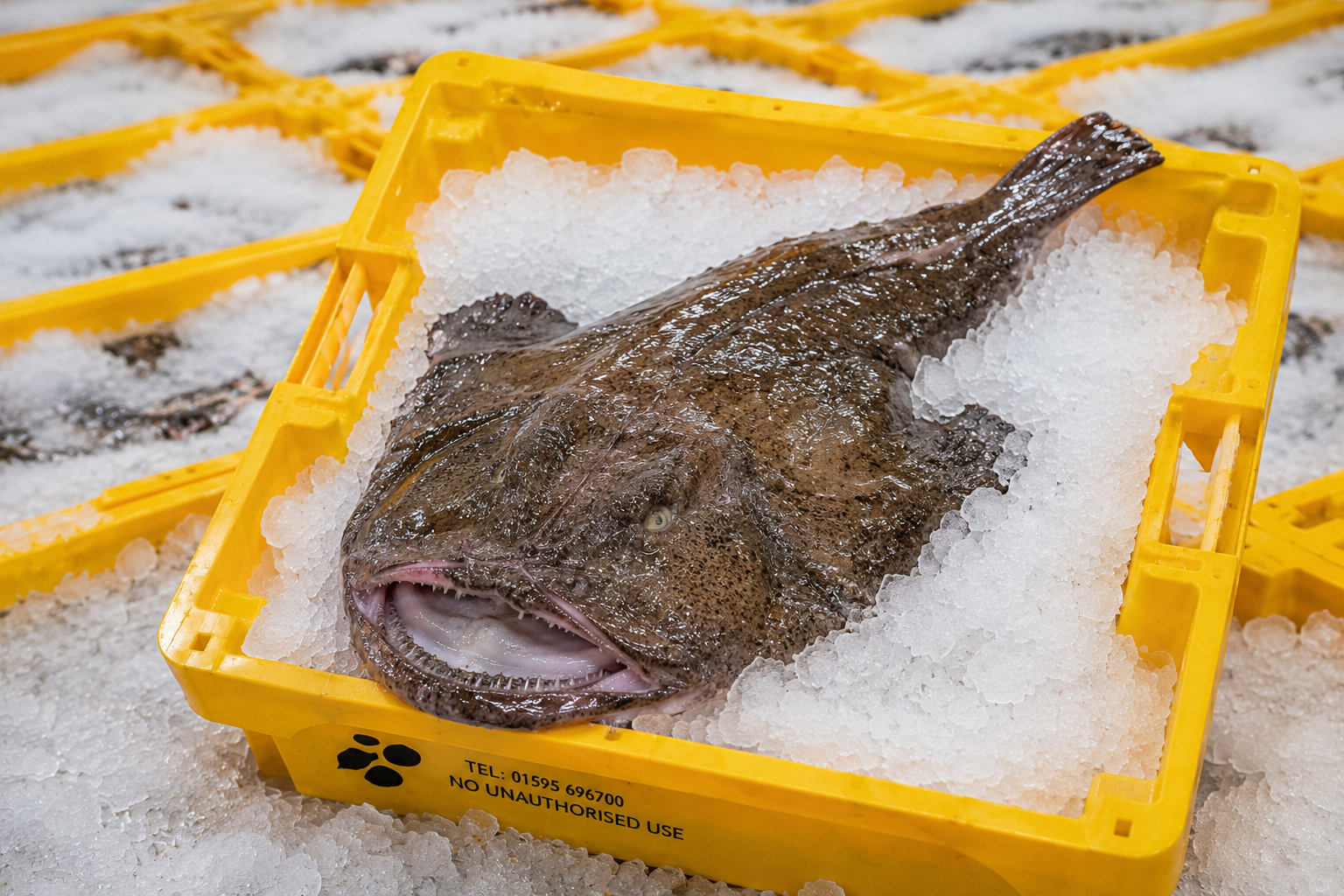
Broad flattened head, huge mouth and sharp needle like teeth
#5
Fishing Method
Primarily caught in demersal fisheries around Shetland
#6
Diet
Fish, squid and crustaceans
From Sea to Plate
Monkfish is highly versatile and popular in both traditional and modern cuisine. The tail meat is especially prized for its firm texture, making it ideal for roasting, grilling, skewers, curries and premium seafood dishes.
Its ability to hold its shape during cooking makes monkfish particularly popular with professional chefs.
Did You Know?
Monkfish have an expandable stomach that allows them to swallow prey almost as large as themselves.
Despite spending much of their time resting on the seabed, tagging studies have shown monkfish can travel remarkable distances, including journeys between Shetland and Iceland.
Although sometimes described as one of the ugliest fish in the sea, monkfish is widely regarded as one of the finest eating fish available.
The species belongs to the anglerfish family and uses a bait like appendage on its head to attract prey.
Shetland Seafood Heritage
The waters surrounding Shetland provide ideal conditions for producing premium quality monkfish. Landed by skilled local fishermen and handled with care throughout the supply chain, Shetland monkfish continues to earn a reputation as one of Scotland's finest seafood products.

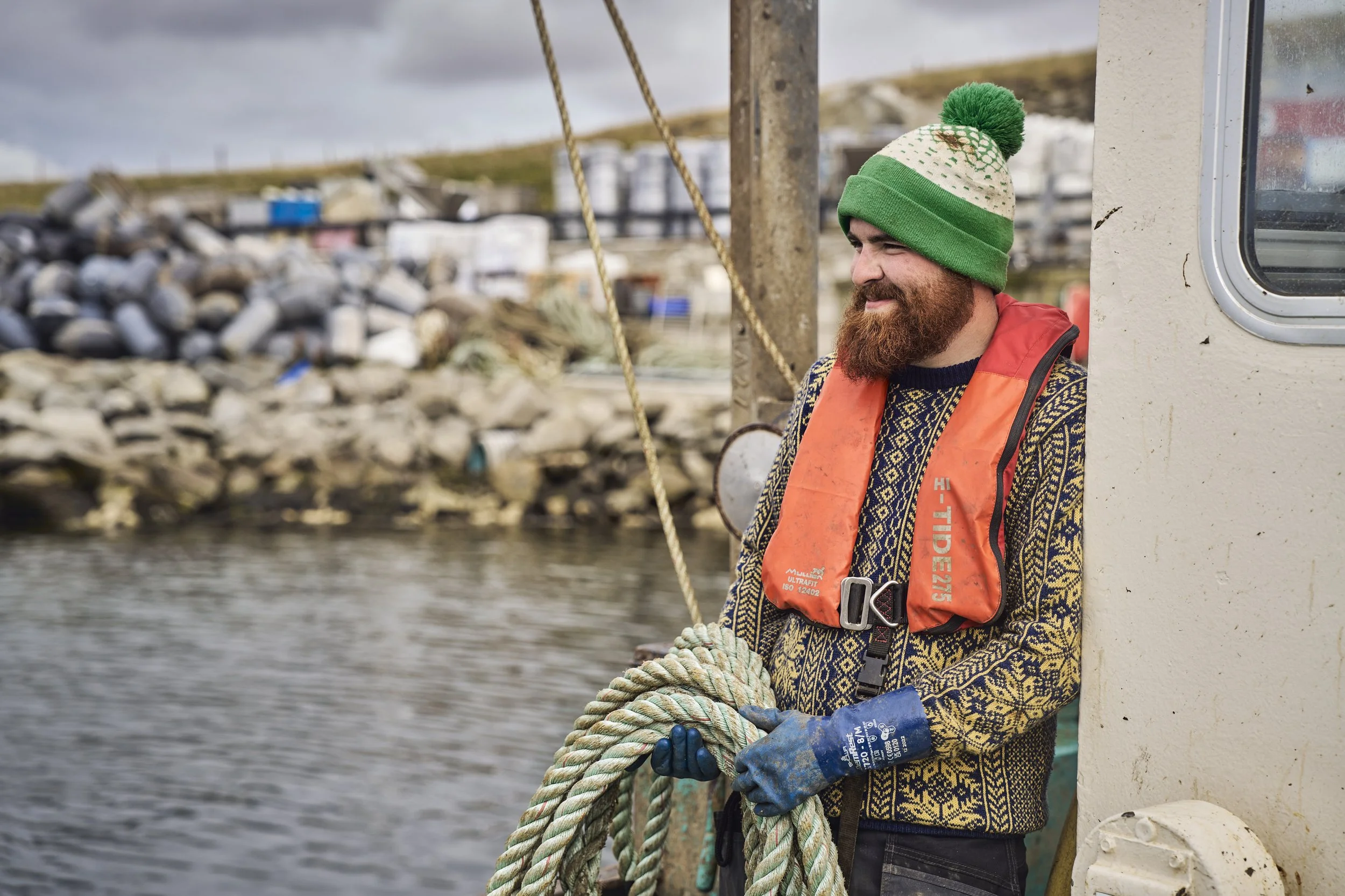
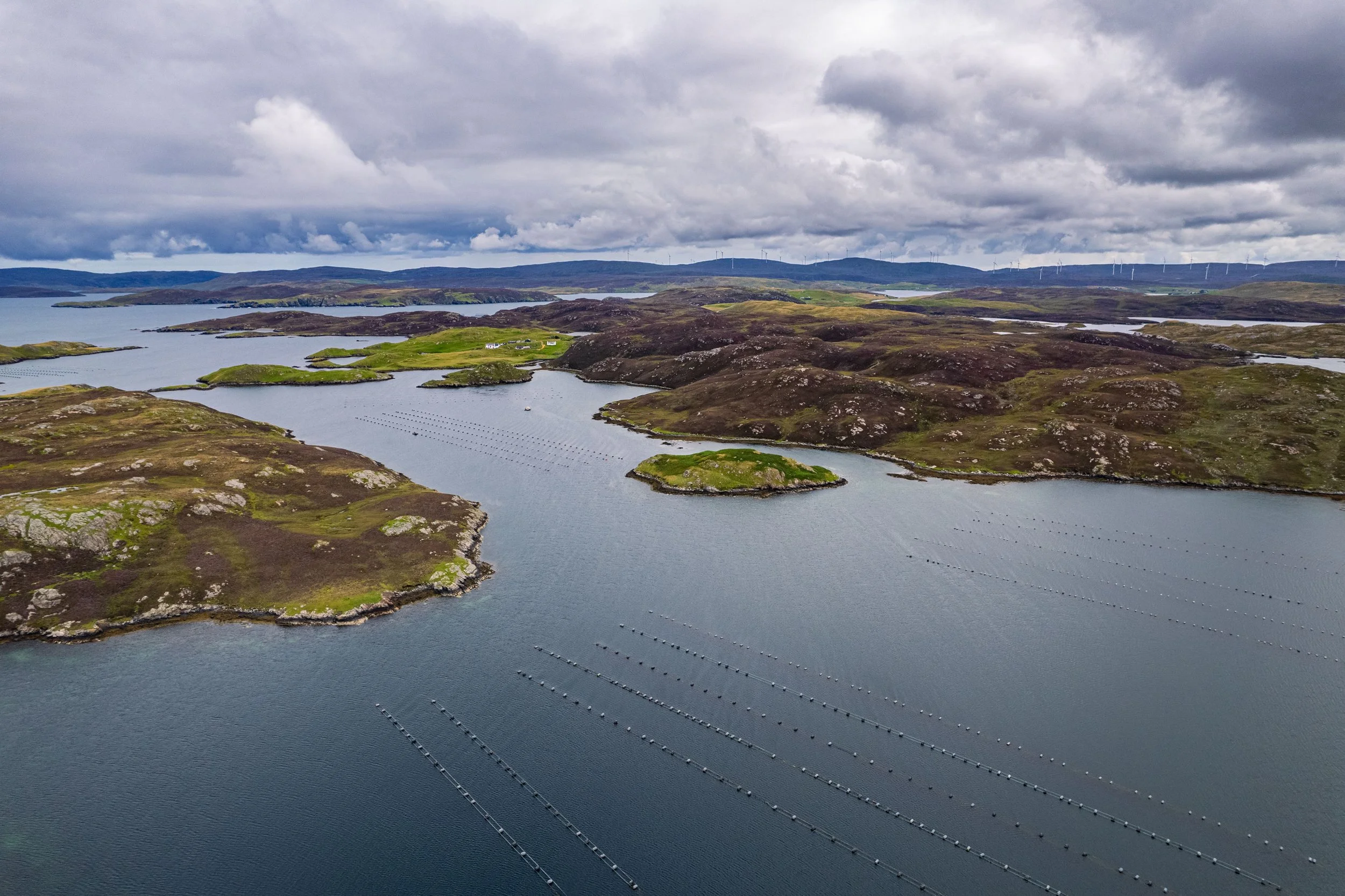
Shetland Saithe
Premium Saithe from the Waters Around Shetland
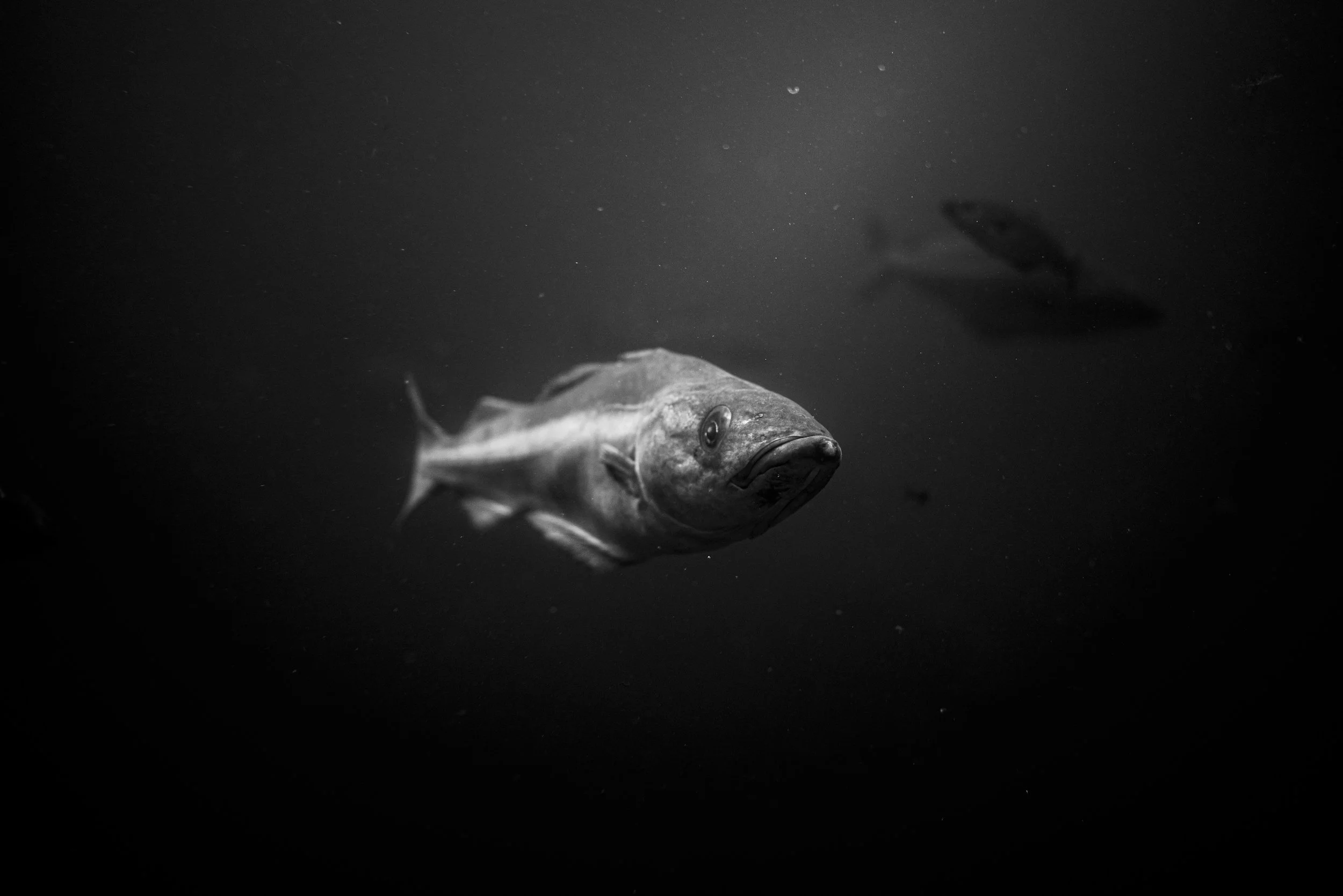
Saithe, also known as coalfish, is one of the most abundant and important species found in the waters surrounding Shetland. Prized for its firm texture, mild flavour and versatility, saithe has long been a favourite of local fishermen and seafood buyers alike.
Harvested from the cold, clean waters around Shetland, saithe offers a sustainable and nutritious seafood choice that is increasingly appreciated by chefs and consumers seeking high quality whitefish.
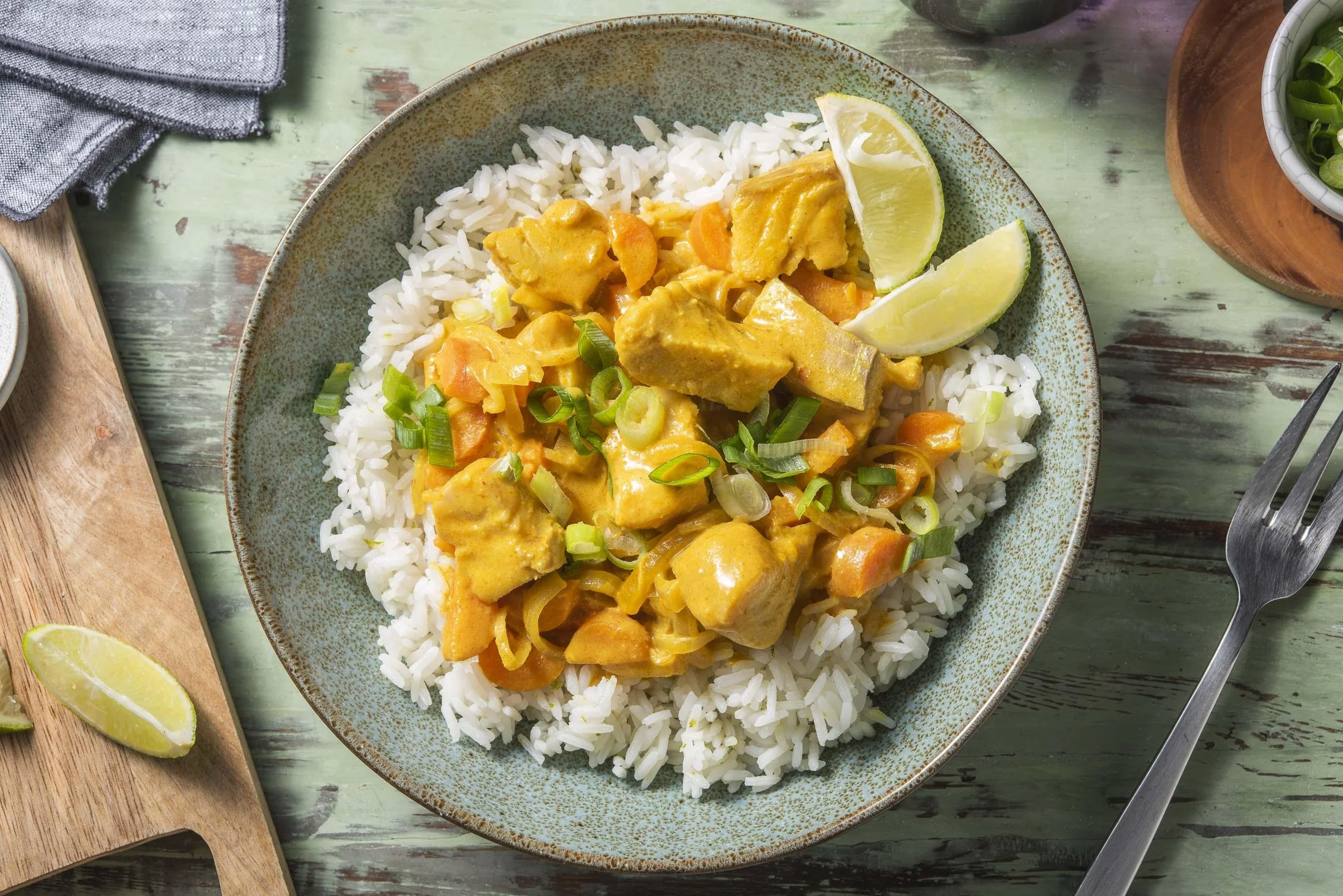
Why Choose Shetland Saithe?
Mild, delicate flavour suitable for a wide range of dishes
Firm flesh that holds together well during cooking
Naturally high in protein
Low in fat and calories
Sustainably harvested from Shetland waters
Excellent value alternative to cod and haddock
Ideal for baking, grilling, frying, poaching and smoking
Nutritional Benefits
Saithe is a lean, nutrient rich fish that provides excellent nutritional value.
✓ A typical 100g serving provides:
✓ Approximately 81 calories
✓ 18.3g of high quality protein
✓ 0.9g of fat
✓ No carbohydrates
✓ Naturally low levels of saturated fat
Health Benefits
#1
Muscle Growth & Repair
Saithe is rich in complete protein, providing all the essential amino acids required for maintaining and repairing muscle tissue.
#2
Weight Management
High protein levels combined with low calorie and fat content make saithe an excellent choice for healthy eating and weight management.
#3
Heart Health
Its naturally low saturated fat content makes saithe a heart friendly seafood option that can contribute to a balanced diet.
#4
Overall Wellbeing
The fish provides valuable nutrients that contribute to normal body function, energy production and tissue maintenance.
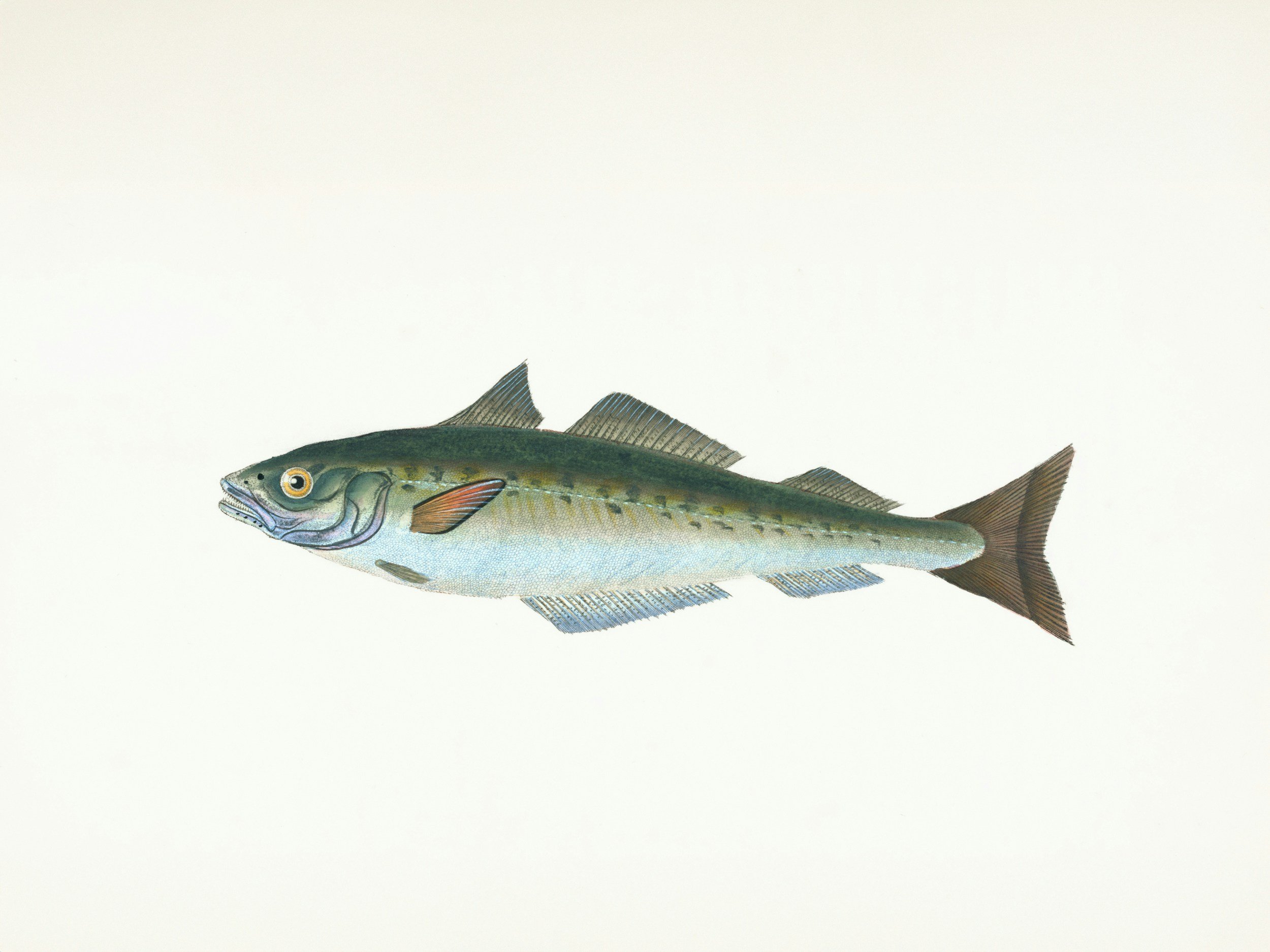
Species Facts
#1
Scientific Name
Pollachius virens
#2
Shetland Name
Pitlocks
#3
Behaviour
Forms large, dense shoals
#4
Habitat
Found throughout northern Atlantic waters, often at depths approaching 200 metres
#5
Diet
Small fish, crustaceans and other marine organisms
#6
Maximum Size
Can grow to over one metre in length
From Sea to Plate
Saithe is highly versatile and suitable for a wide variety of culinary applications. Its firm flesh makes it ideal for fillets, portions and prepared seafood products.
The mild flavour readily absorbs herbs, spices and marinades, making it popular with both traditional and contemporary chefs.

Did You Know?
Saithe are known locally in Shetland as "Pitlocks".
Young saithe often gather in large shoals around piers, harbours and rocky coastlines.
The species is highly active and can travel considerable distances throughout the North Atlantic.
Saithe is one of the most important species caught in Shetland's mixed whitefish fishery.
Shetland Seafood Heritage
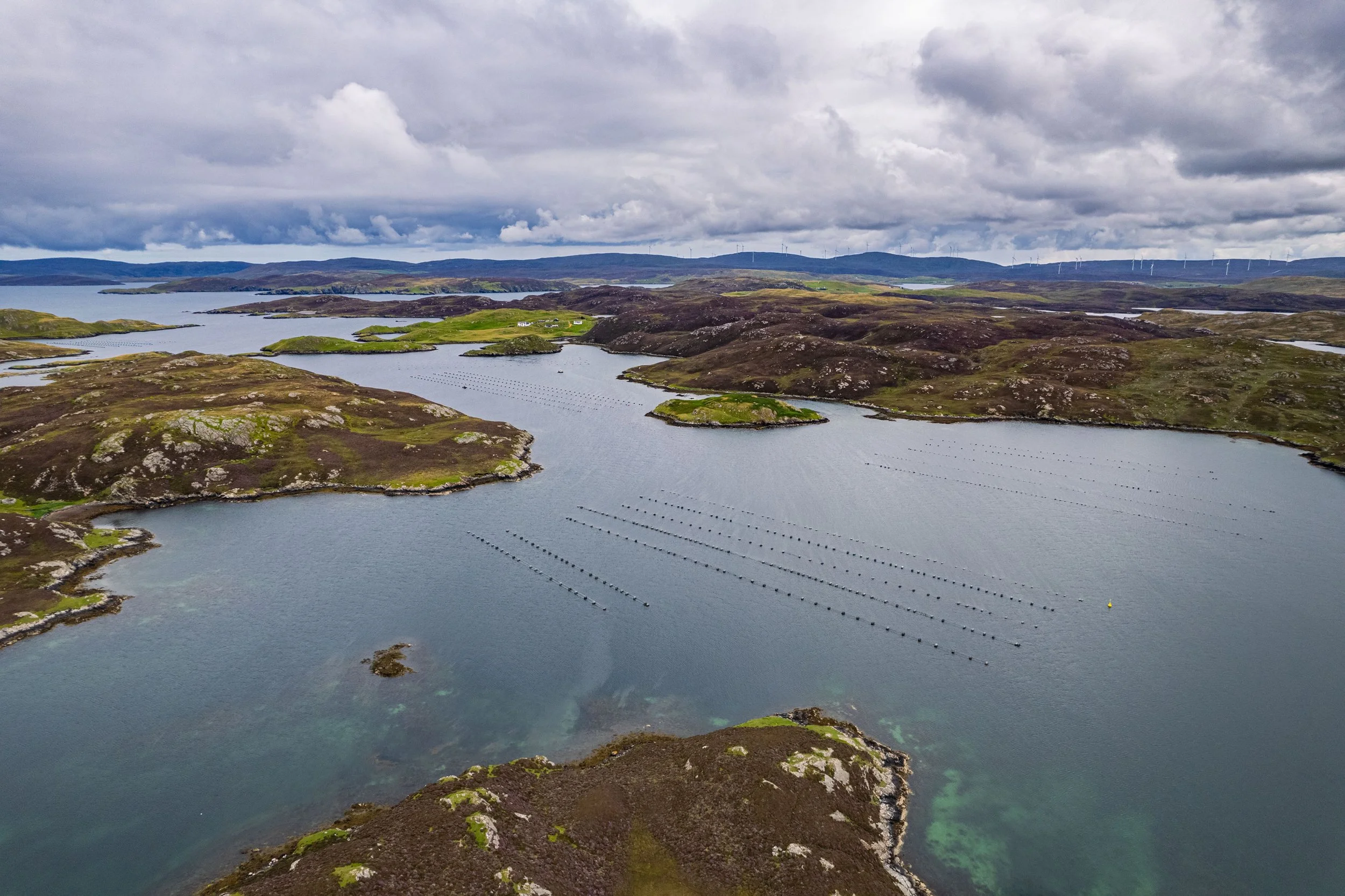
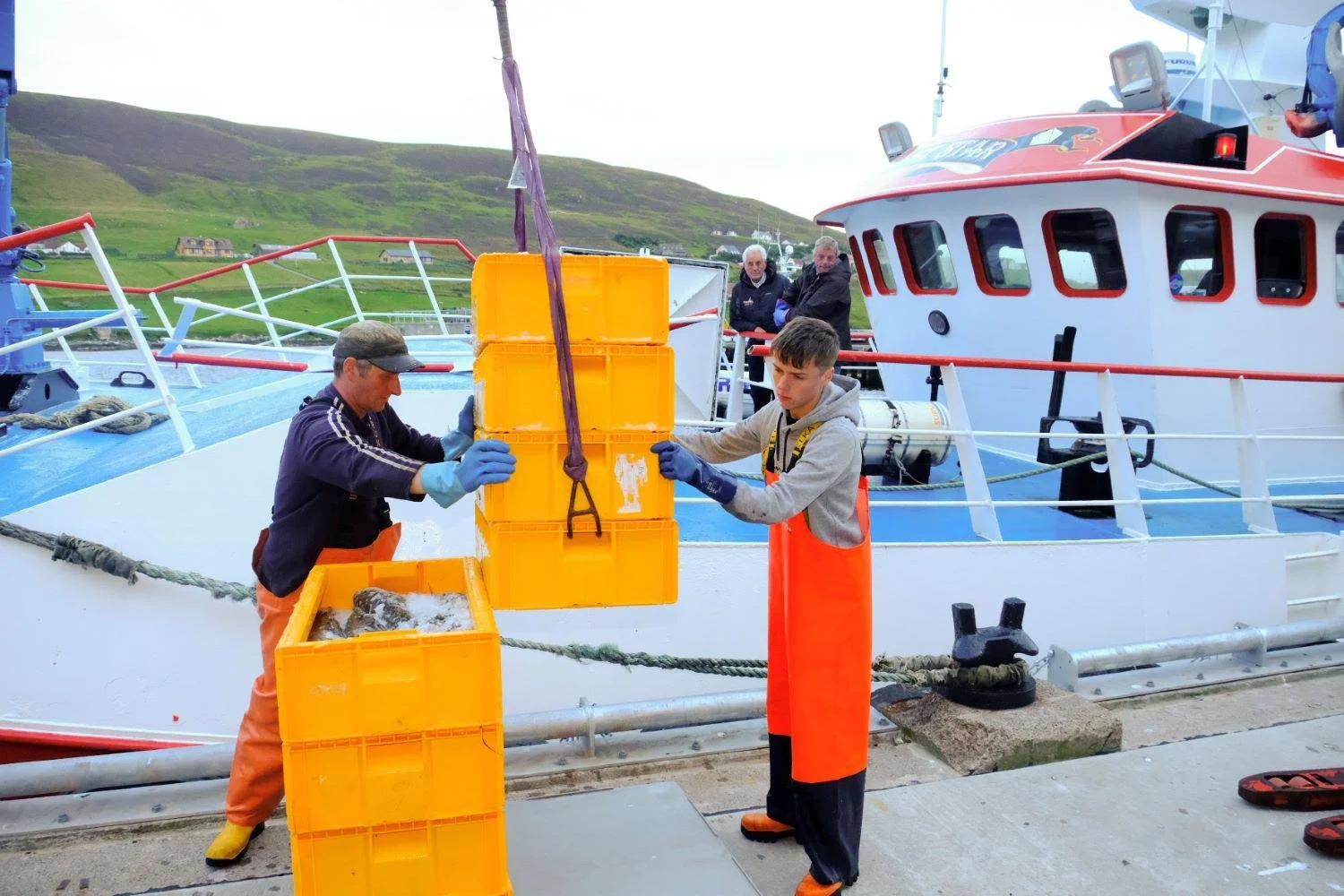
For generations, saithe has played an important role in Shetland's fishing communities. Landed by skilled fishermen and harvested from the clean, productive waters surrounding the islands, Shetland saithe continues to offer outstanding quality, sustainability and value for customers around the world.

Shetland Pollack
Premium Pollack from the Waters Around Shetland
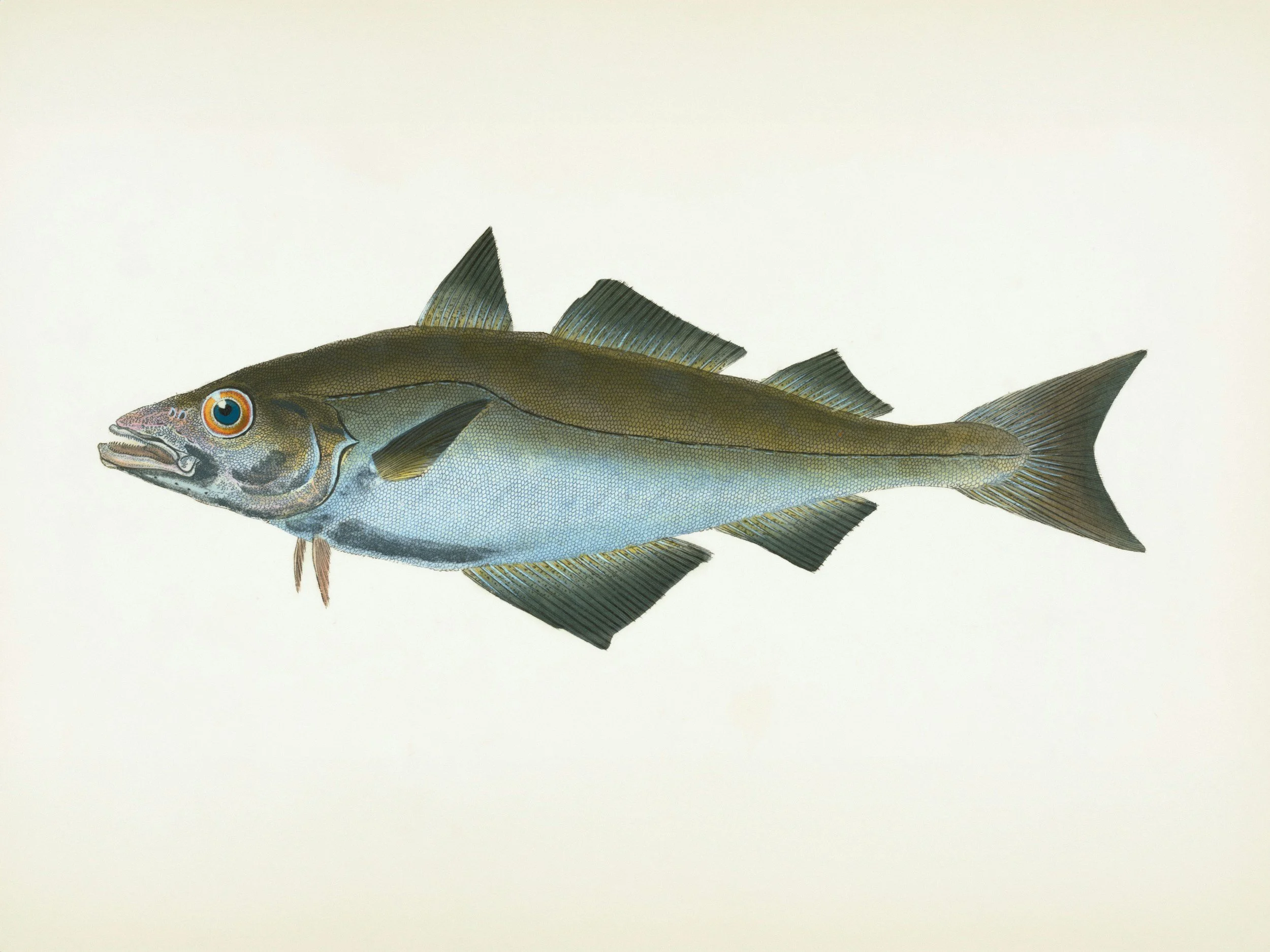
Pollack is one of the hidden treasures of Shetland's waters. Closely related to cod and saithe, it is highly regarded by chefs for its delicate flavour, attractive white flesh and excellent eating quality.
Caught in the cold, clean waters surrounding Shetland, pollack offers a sustainable and nutritious seafood choice that deserves greater recognition among seafood lovers.
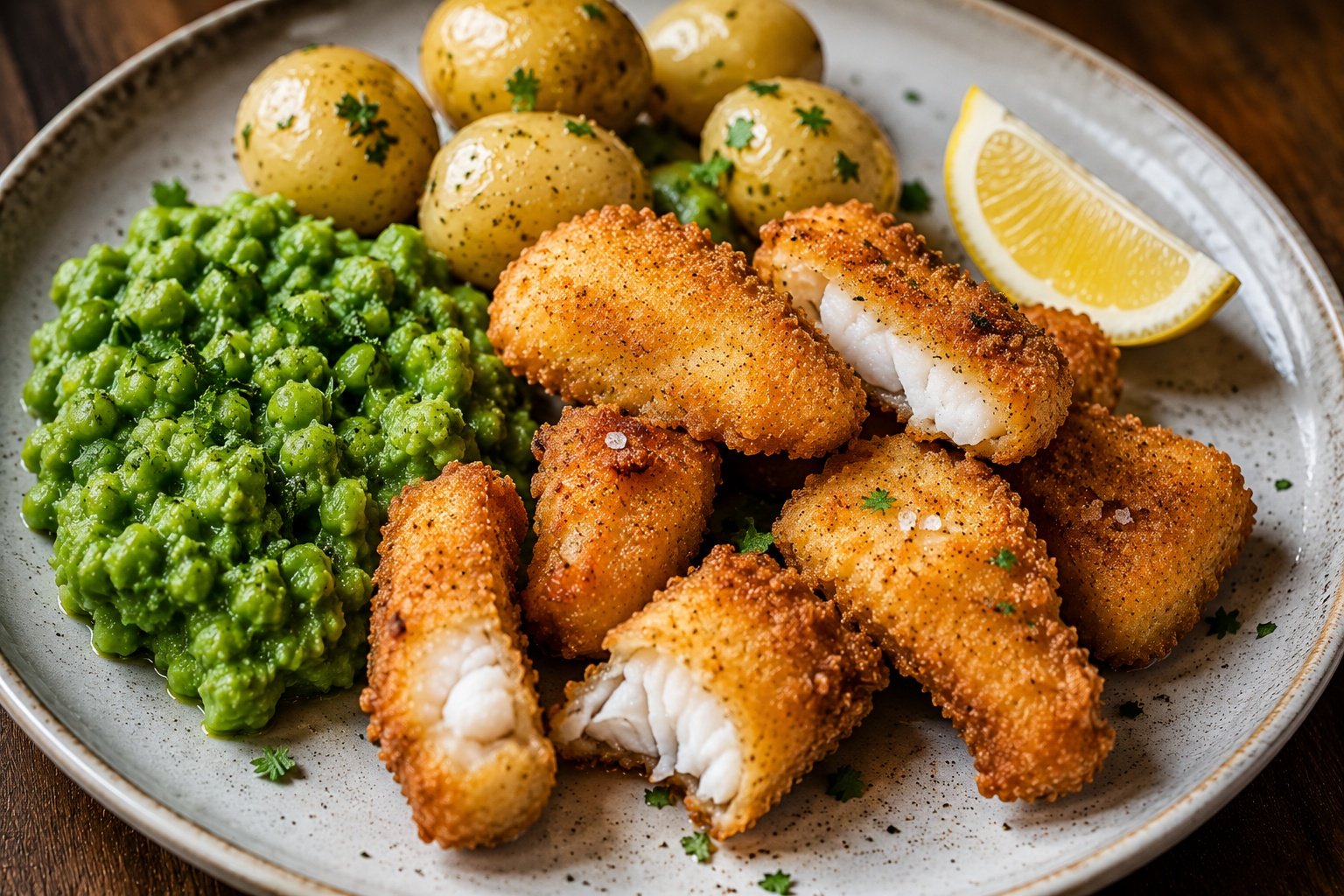
Recipe idea
Why Choose Shetland Pollack?
Delicate, slightly sweet flavour
Firm white flesh with excellent texture
Naturally high in protein
Low in fat and calories
Rich in essential vitamins and minerals
Sustainable seafood choice
Suitable for baking, grilling, pan frying and roasting
Nutritional Benefits
Pollack is a lean, nutrient rich fish that provides excellent nutritional value.
✓ A typical 120g serving provides:pproximately 86 calories
✓ 20g of high quality protein
✓ 1g of fat
✓ No carbohydrates
✓ Naturally low in saturated fat
Sustainability
Pollack is harvested from the rich fishing grounds around Shetland, where responsible fisheries management helps maintain healthy fish stocks.
As a locally landed species from well managed northern waters, pollack offers consumers a sustainable seafood option while supporting coastal fishing communities.
Health Benefits
#1
Thyroid Health
Monkfish is rich in high quality protein containing all the
essential amino acids required
for muscle growth, maintenance and repair.
#2
Heart Health
Omega 3 fatty acids contribute to the normal function of the heart and help support healthy blood pressure.
#3
Brain & Nervous System
Vitamin B12 and omega 3 fatty acids help support normal nervous system function, cognitive health and energy production.
#4
Immune Function
Selenium plays an important role in supporting the immune system and protecting cells from oxidative stress.
#5
Energy Production
Niacin, vitamin B12 and iodine all contribute to normal energy metabolism and may help reduce tiredness and fatigue.
Species Facts
#1
Scientific Name
Pollachius pollachius
#2
Shetland Name
Lør (also Läiri)
#3
Family
Cod family (Gadidae)
#4
Habitat
Coastal and offshore waters around rocky reefs and kelp beds
#5
Diet
Small fish, crustaceans and marine invertebrates
#6
Maximum Length
Can exceed 1 metre in length
From Sea to Plate
Pollack is prized for its versatility and culinary quality. Its firm flesh and mild flavour make it suitable for a wide variety of dishes, from traditional fish and chips to modern restaurant menus.
It works particularly well grilled, baked, roasted or served with simple ingredients that allow its natural flavour to shine.
Did You Know?
Pollack belongs to the same family as cod, haddock and saithe.
Its distinctive curved lateral line helps distinguish it from saithe.
The species is particularly associated with rocky coastlines, reefs and kelp forests around Shetland.
Pollack is often considered one of the finest eating fish among the cod family species.
Shetland Seafood Heritage
The clean Atlantic waters surrounding Shetland provide ideal conditions for premium whitefish species such as pollack. Landed by local fishermen and handled with care throughout the supply chain, Shetland pollack delivers outstanding quality, sustainability and flavour from one of the world's most productive marine environments.


Shetland Line Caught Mackerel
Premium Line Caught Mackerel from the Waters Around Shetland
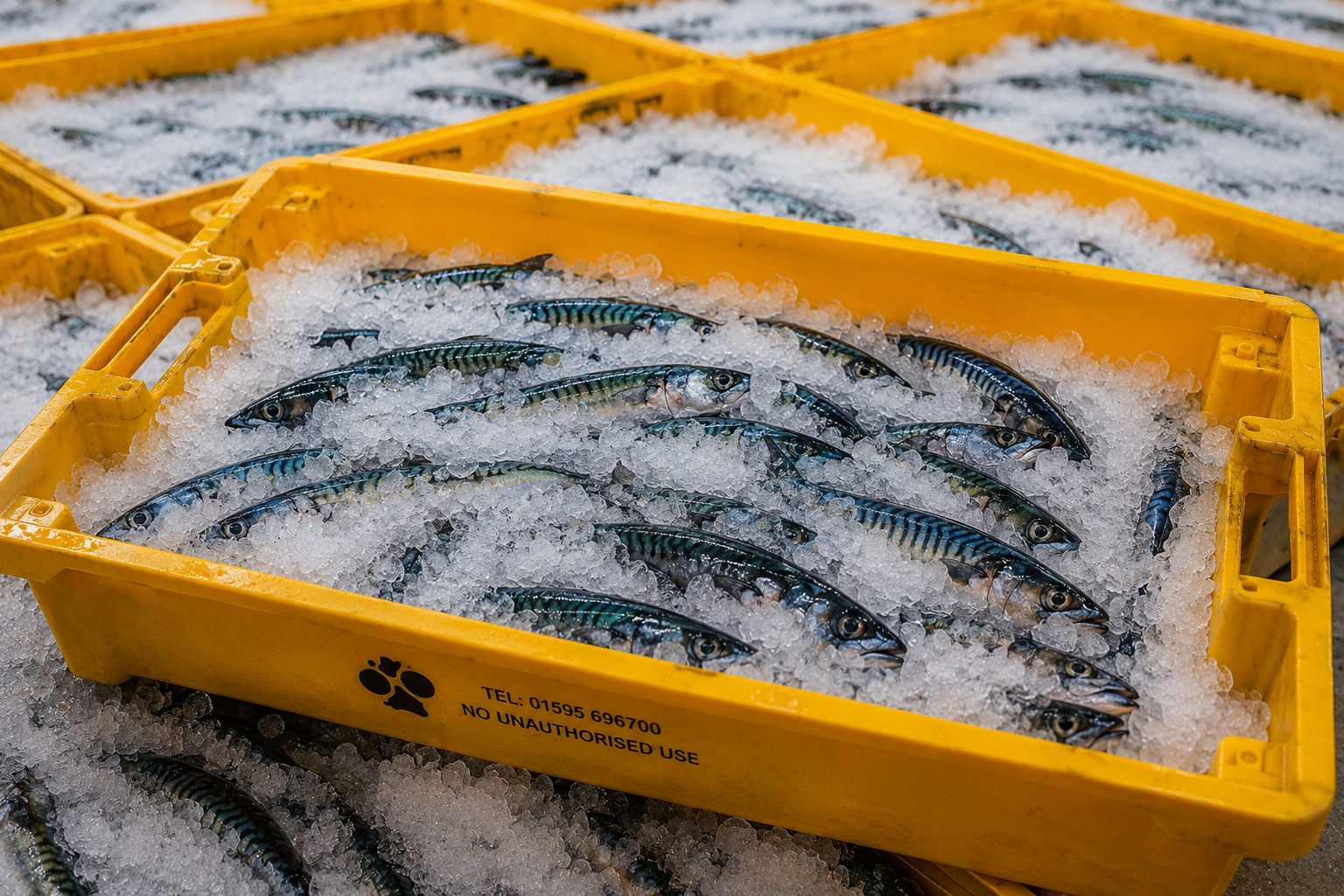
During the summer months, Shetland's inshore fishermen harvest mackerel using traditional line fishing methods in the clear waters surrounding the islands. Caught individually rather than in large nets, line caught mackerel is renowned for its exceptional freshness, quality and flavour.
Often landed just hours after being caught, Shetland line caught mackerel represents one of the finest examples of sustainable, locally sourced seafood available anywhere in the UK.
Recipe idea
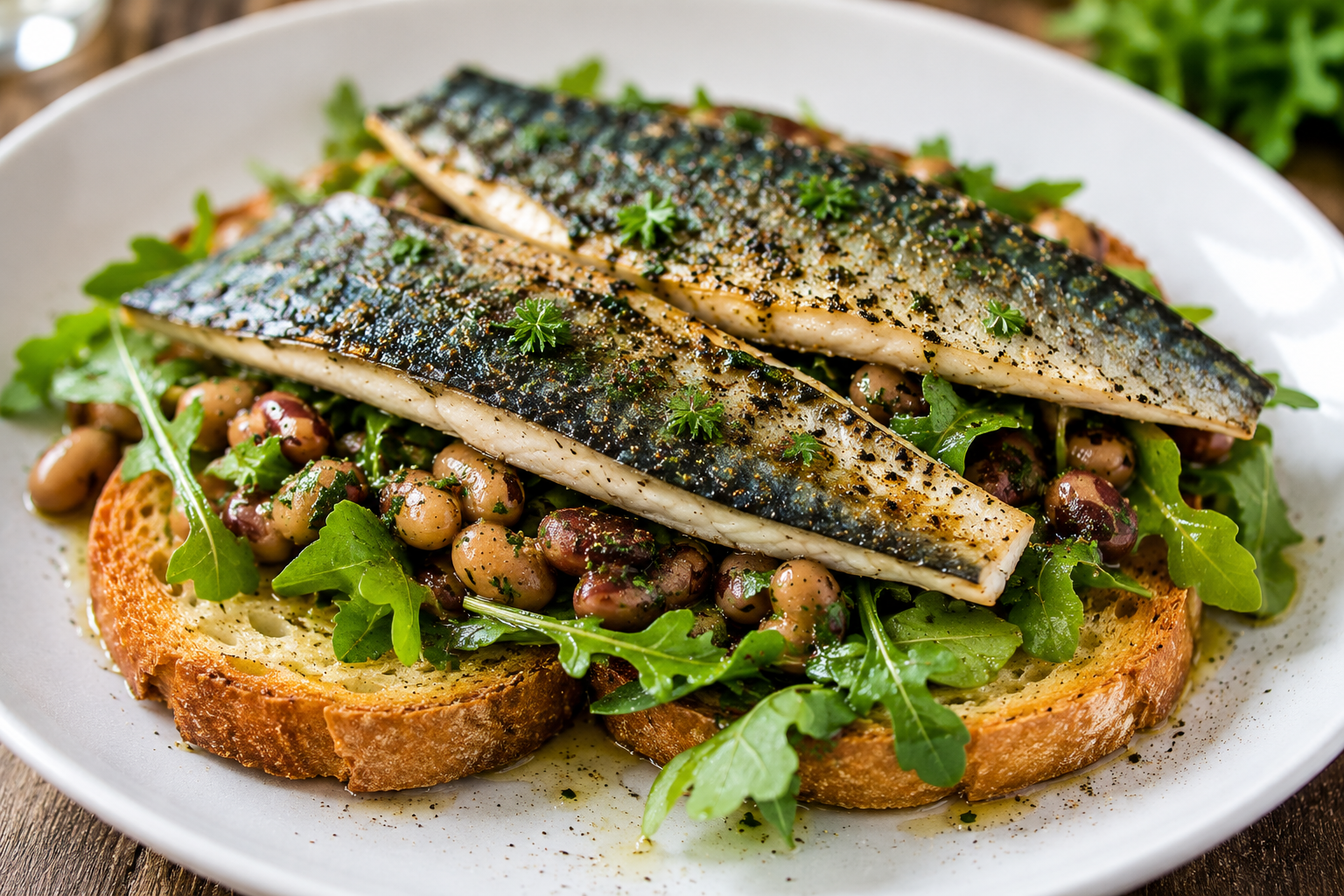
Why Choose Shetland Line Caught Mackerel?
Caught individually using traditional line fishing methods
Exceptional freshness and quality
Rich, distinctive flavour
Naturally high in omega 3 fatty acids
Excellent source of high quality protein
Sustainably harvested with minimal environmental impact
Perfect for grilling, baking, smoking and barbecuing
Nutritional Benefits
Mackerel is widely recognised as one of the healthiest fish available.
A typical 100g serving provides:
✓ Approximately 205 calories
✓ 19g of high quality protein
✓ 13.9g of healthy fats
✓ More than 1g of omega 3 fatty acids
✓ Vitamin B12
✓ Vitamin B6
✓ Selenium
✓ Magnesium
✓ Potassium
✓ Phosphorus
✓ Vitamins A and D
Health Benefits
#1
Heart Health
Rich in omega 3 fatty acids, mackerel helps support normal heart function and cardiovascular health.
#2
Brain Function
Omega 3 oils play an important role in maintaining healthy brain function and cognitive performance.
#3
Healthy Bones
Naturally occurring vitamin D contributes to healthy bones and teeth and supports calcium absorption.
#4
Healthy Skin & Eyes
The beneficial oils found in mackerel contribute to healthy skin and normal vision.
#5
Energy Production
Vitamin B12 and other B vitamins help the body convert food into energy and contribute to reducing tiredness and fatigue.
Species Facts
#1
Scientific Name
Scomber scombrus
#2
Shetland Name
Fogri
#3
Family
Mackerel and Tuna Family (Scombridae)
#4
Behaviour
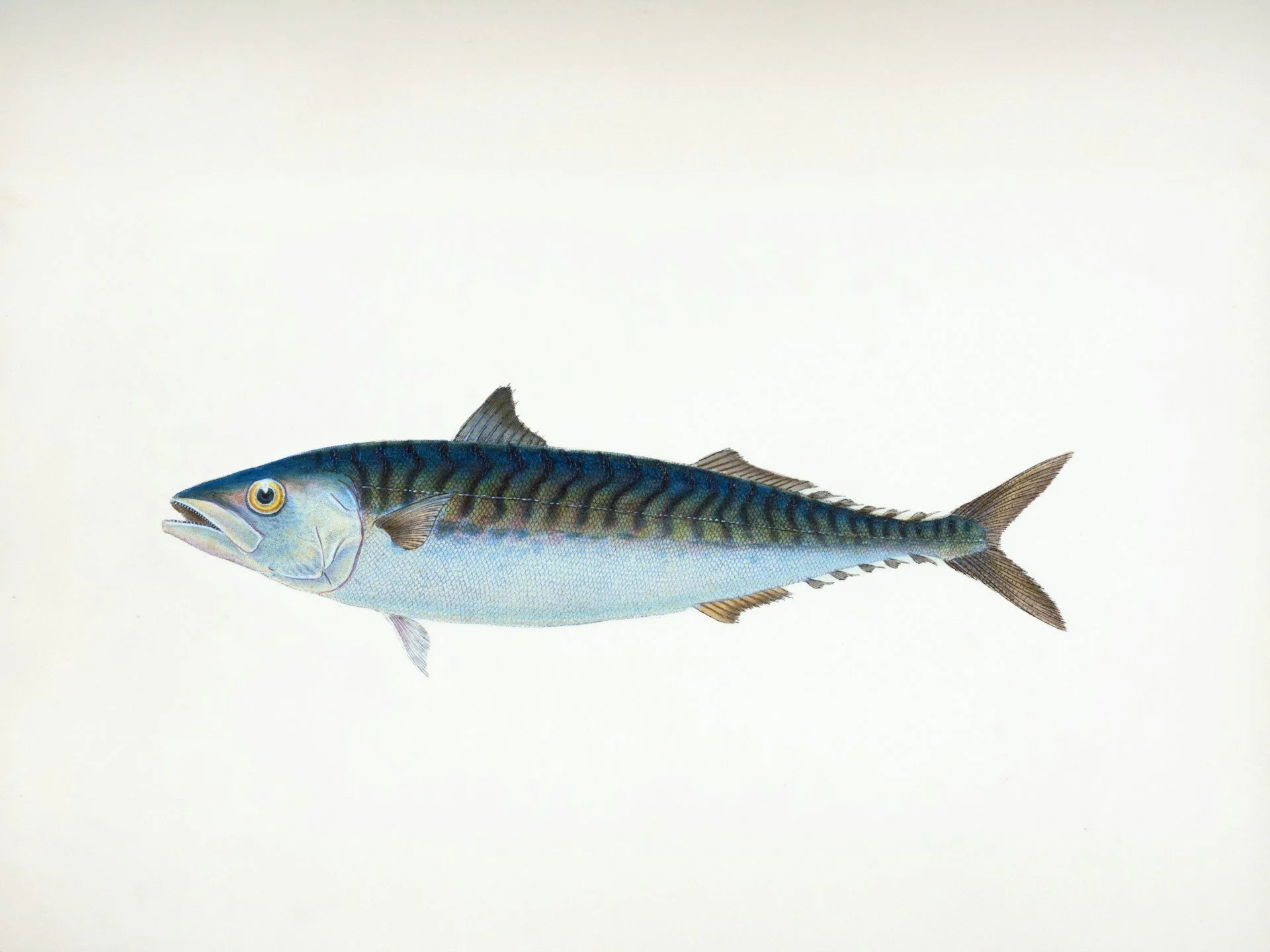
Fast swimming pelagic fish that travel in large shoals
#5
Habitat
Surface waters around the Shetland Islands during the summer months
#6
Appearance
Distinctive green and black tiger like stripes across the back
From Sea to Plate
From June through October, Shetland's small inshore boats target mackerel around the islands. These fishermen often combine mackerel fishing with creeling for lobsters and crabs, continuing a way of life that has sustained coastal communities for generations.
Because the fish are landed locally and handled carefully, they can reach consumers in superb condition. Freshly caught mackerel requires very little preparation and is at its best when simply grilled or barbecued.
Did You Know?
Mackerel are often called the athletes of the sea because they are built for speed and endurance.
Unlike many fish species, mackerel must keep swimming continuously to maintain water flow across their gills.
The rich oils that give mackerel its distinctive flavour are also responsible for many of its nutritional benefits.
Many Shetlanders regard freshly caught summer mackerel, cooked within hours of capture, as one of the finest seafood experiences available.
Shetland Seafood Heritage
For generations, fishing for mackerel on long summer days has been part of life around Shetland's coastline. Whether fishing from Cunningsburgh, Scalloway, Brae or Dunrossness, local fishermen continue a tradition that combines sustainable harvesting with exceptional seafood quality.
Line caught Shetland mackerel offers consumers an authentic taste of the islands, fresh, nutritious and harvested with care from some of the cleanest waters in the North Atlantic.

Shetland Hake
Premium Hake from the Waters Around Shetland
Hake has become one of the great success stories of Shetland's whitefish fishery. Stocks in the North Sea have increased significantly in recent years, leading to rising quotas and growing landings through the islands' fishing ports.
Renowned for its pearly white flesh, delicate flavour and versatility, hake is highly prized throughout Europe, particularly in Spain and Portugal where it is considered one of the finest eating whitefish available.
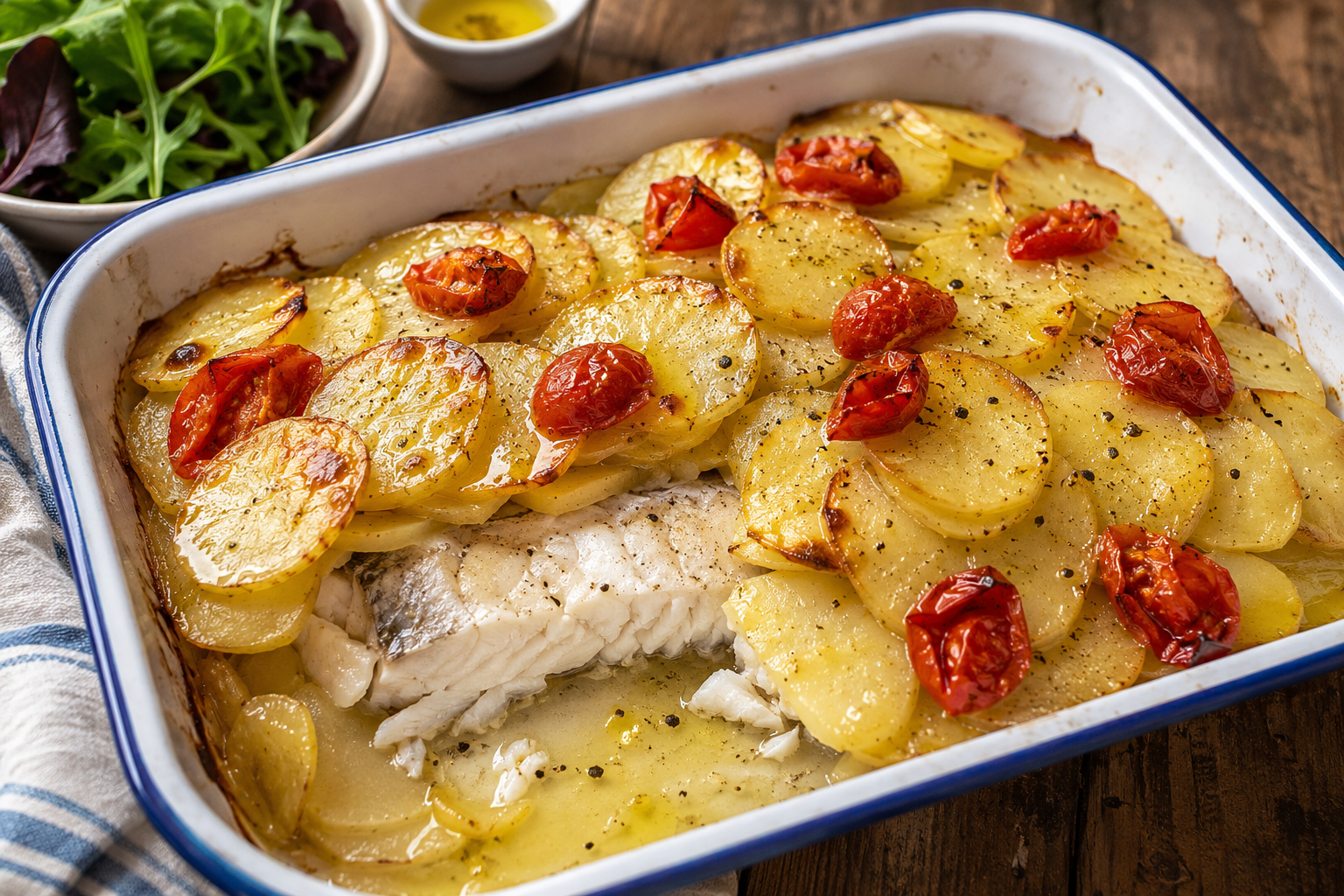
Recipe idea
Why Choose Shetland Hake?
Delicate, mild flavour with a subtle sweetness
Pearly white flesh and excellent texture
Naturally high in protein
Low in calories and fat
Rich in essential vitamins and minerals
Sustainably harvested from northern waters
Ideal for poaching, steaming, baking and frying
Nutritional Benefits
Hake is a lean, nutrient rich fish that delivers excellent nutritional value.
A typical 100g serving provides:
✓ Approximately 90 calories
✓ 18g of high quality protein
✓ Low levels of fat
✓ ✓ Selenium
✓ Magnesium
✓ Vitamin B12
✓ Omega 3 fatty acids
Sustainability
Hake stocks in the North Sea have expanded significantly in recent years, making it an increasingly important species for Shetland's fishing industry.
Recently, 2,505 tonnes of hake worth approximately £5.8 million were landed through the fish markets of Lerwick and Scalloway.
Careful fisheries management and responsible harvesting practices help ensure healthy stocks and a sustainable future for this valuable species.
Health Benefits
#1
Muscle Growth & Repair
High quality protein provides
the essential amino acids required for muscle growth, maintenance and recovery.
#2
Energy Production
Vitamin B12 plays an important role in energy metabolism and helps reduce tiredness and fatigue.
#3
Healthy Nerves & Muscles
Magnesium contributes to normal muscle function and nervous system health.
#4
Immune Health
Selenium contributes to a healthy immune system and helps protect cells from oxidative stress.
#5
Heart Health
Naturally occurring omega 3 fatty acids contribute to cardiovascular wellbeing and overall health.
Species Facts
#1
Scientific Name
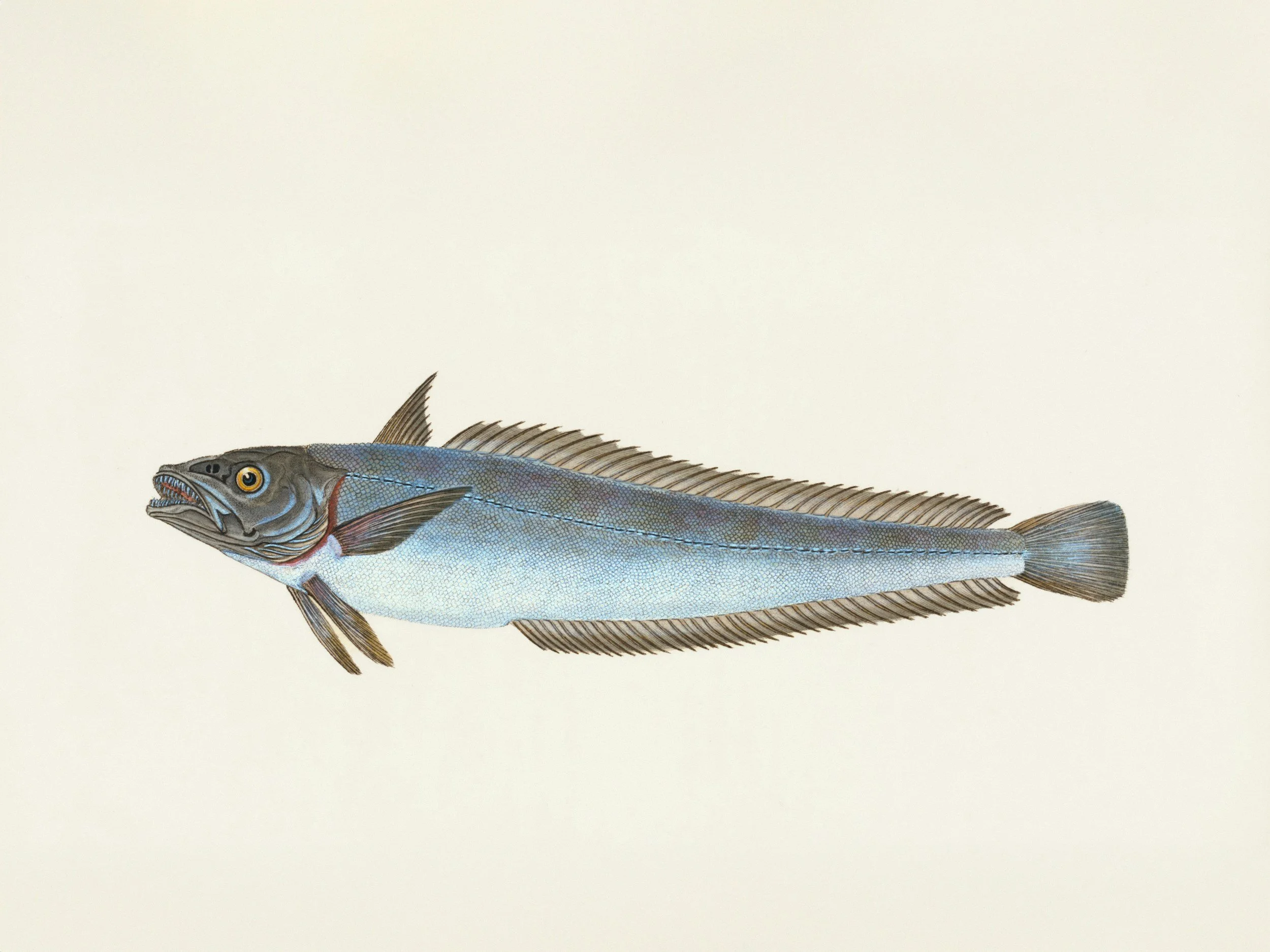
Merluccius merluccius
#2
Shetland Name
Lør (also Läiri)
#3
Appearance
Long, slender fish with a distinctive silver and grey body
#4
Habitat
Demersal species living close to the seabed
#5
Diet
Small fish, squid and crustaceans
#6
Maximum Size
Can exceed one metre in length
From Sea to Plate
Shetland cod is landed through local ports including Lerwick and Scalloway before entering carefully managed supply chains that deliver premium fresh fish to markets, restaurants and retailers throughout the UK and Europe.
The combination of pristine waters, skilled fishermen and a strong seafood heritage ensures that Shetland cod continues to be recognised as one of the finest whitefish products available.
Did You Know?
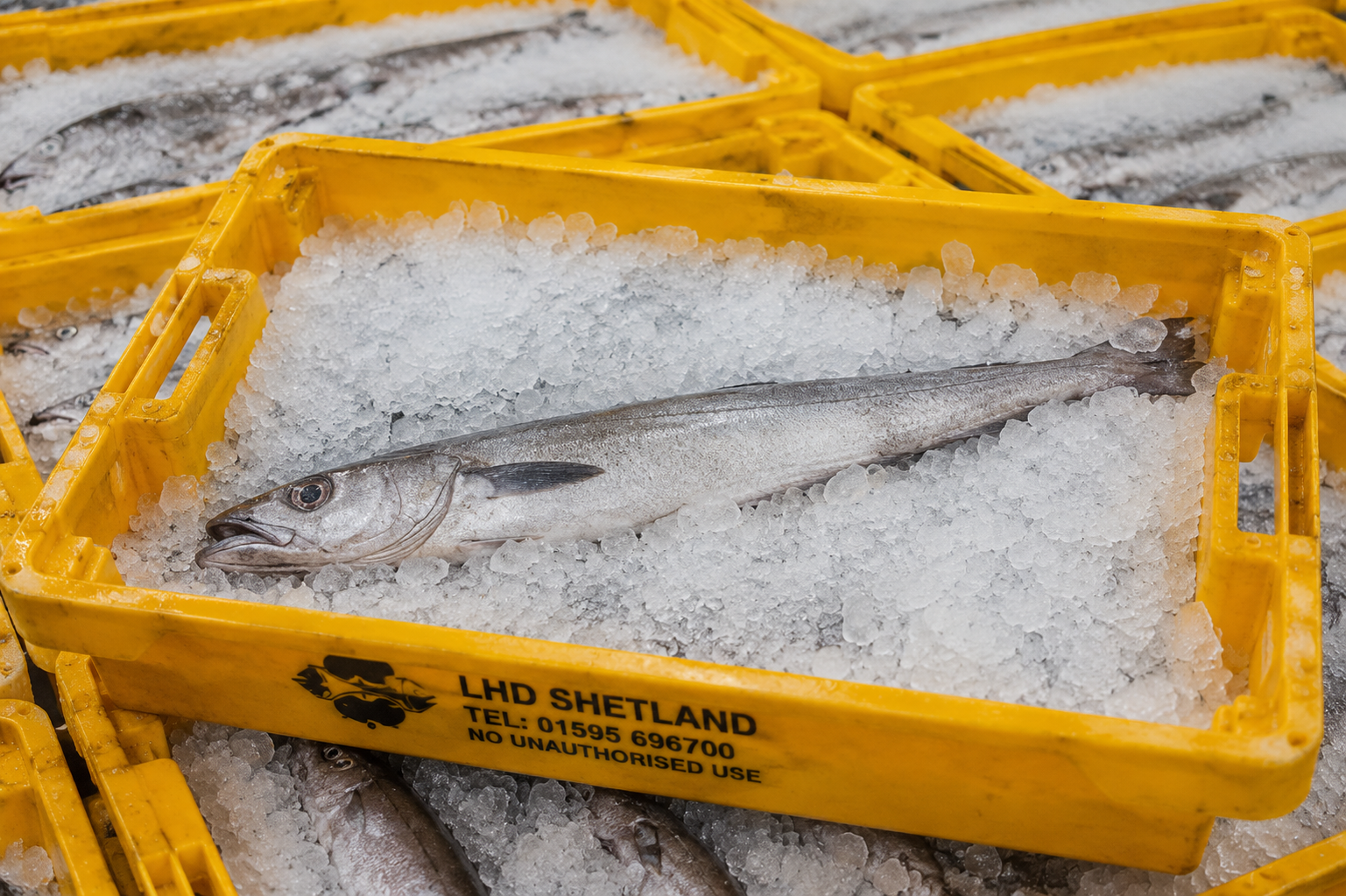
Hake numbers in the North Sea have increased dramatically in recent years.
Recently, 2,505 tonnes worth approximately £5.8 million were landed in Shetland.
Its pearly white flesh is prized for its delicate flavour and versatility.
Hake is one of the most popular fish species in Spain and Portugal.
Shetland Seafood Heritage
The cold, nutrient rich waters surrounding Shetland provide ideal conditions for premium whitefish species such as hake. Landed through the islands' renowned fishing ports and handled with care throughout the supply chain, Shetland hake offers consumers a delicious, nutritious and sustainable seafood choice from one of the world's finest fishing regions.